Every month looks a little different, but I like keeping track of where our money actually goes.
We are a family of three — one parent and two children — living in Britain.
In April 2026, our total spending came to £3,075.
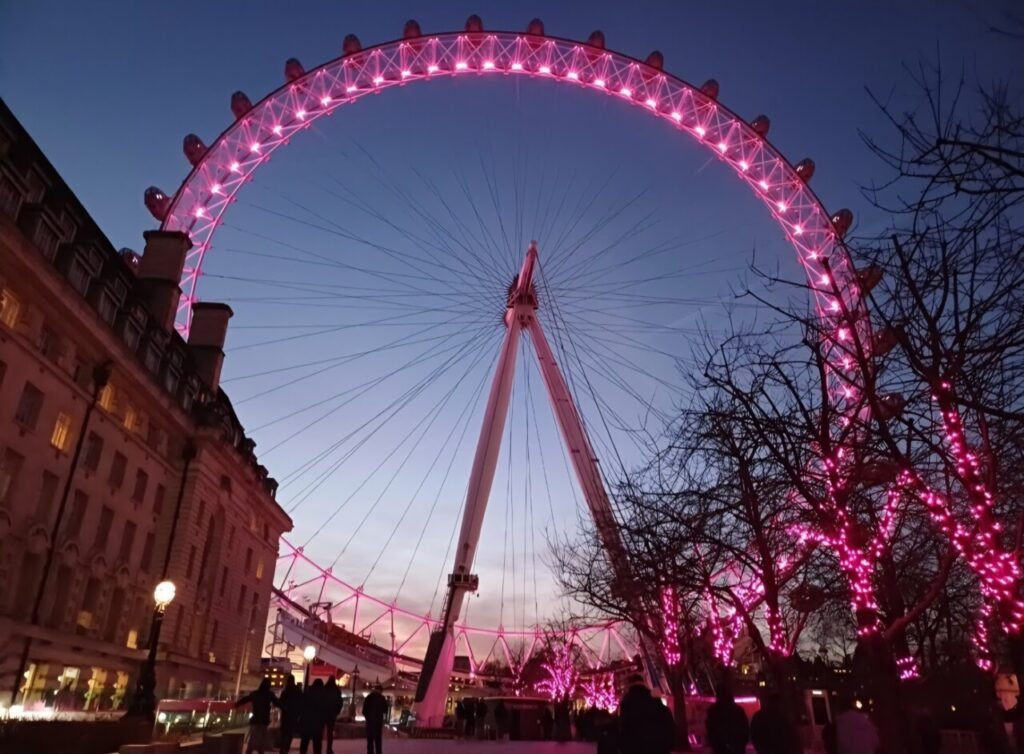
Because it was the Easter holiday, we spent more time out and about than usual. There were museum trips, days in central London, a short family getaway, and inevitably more meals eaten away from home. Looking back, it was probably a slightly more expensive month than March, but not dramatically so.
Where the Money Went
Here were our biggest spending categories:
| Category | Amount |
| Children’s activities and lessons | £1,034 |
| Groceries | £543 |
| Cardiff trip | £436 |
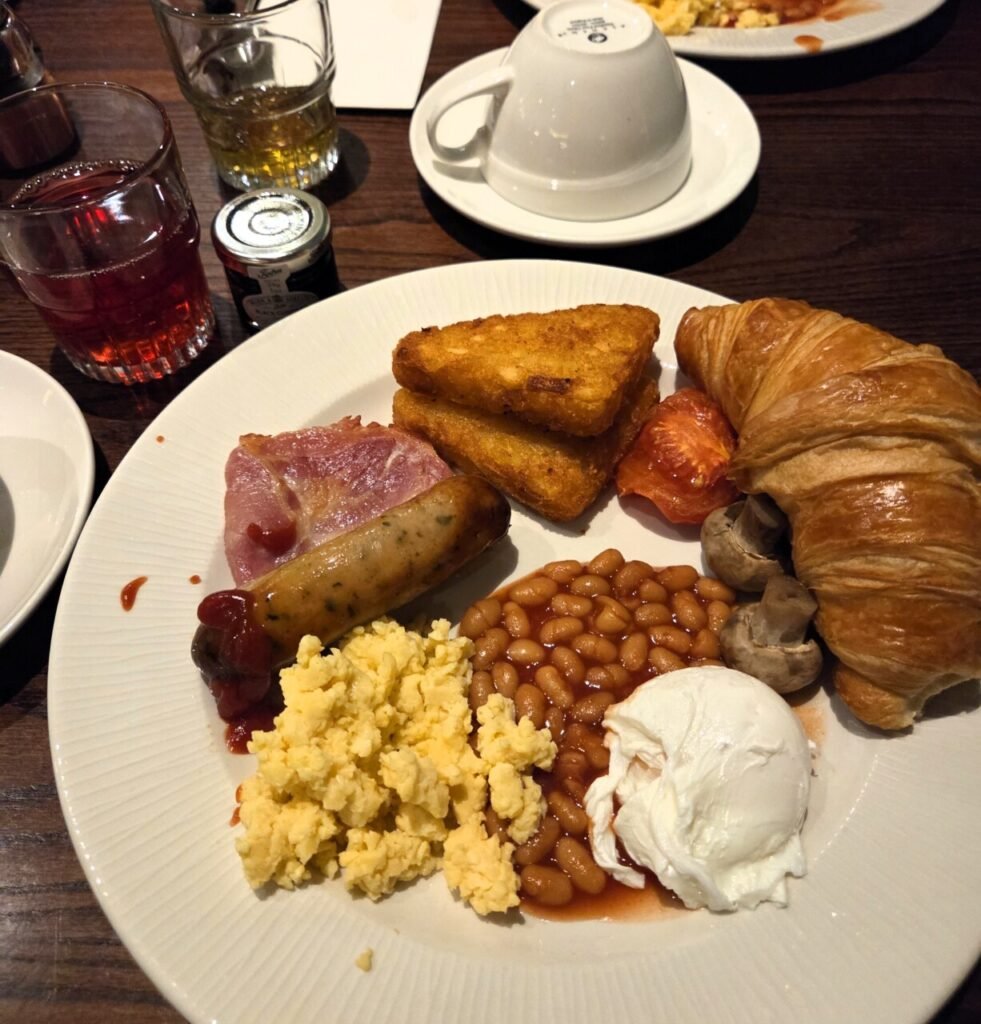
| Eating out | £321 |
| Utilities and household bills | £303 |
| Household supplies and Amazon purchases | £171 |
| Birthday gifts | £83 |
| Transport | £73 |
| Hair appointment | £60 |
The Cost of Children’s Activities and lessons
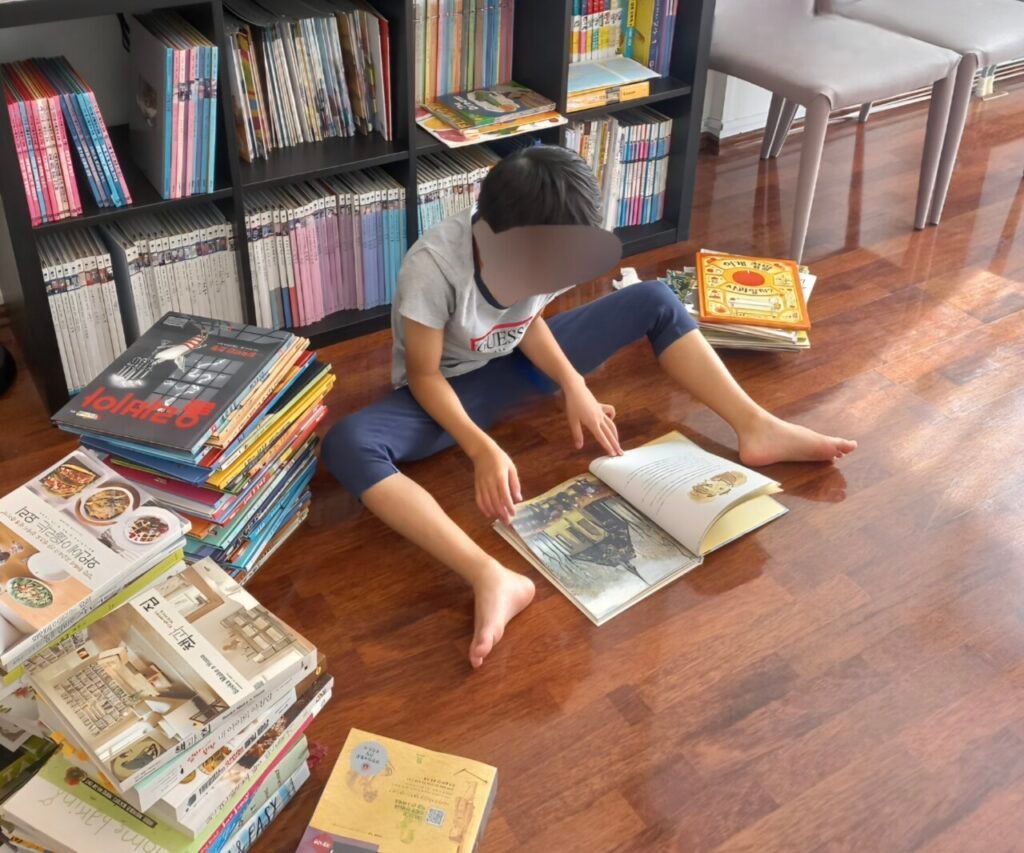
If there is one category that consistently dominates our budget, it is the children’s activities.
The numbers can be difficult to compare from month to month because some activities are paid monthly, while others are billed by school term. This month, for example, I paid £440 for my older child’s violin and piano lessons for the summer term.
What always makes me smile is that, despite being secondary-school age, my older child has no academic tutoring at all. No maths tutor. No English tutor. No exam-prep classes. Most nights, bedtime is still around 9 p.m.
My younger child’s activities currently include:
- Violin lessons and orchestra
- Basketball
- A small amount of academic tutoring, including a creative writing class
Altogether those activities came to roughly £560 this month.
When I add everything up, I sometimes wonder whether we spend more on extracurricular activities than many British families do.
At the same time, the children genuinely enjoy them. They look forward to them every week, and for now I consider that money well spent.
Groceries: Expensive, But Predictable
Our grocery spending felt fairly typical this month.
Food prices in Britain seem to creep upward every year, but after several years of shopping at the same supermarkets, I know exactly where things are, what their normal prices should be, and when something is genuinely a good deal.
That familiarity probably saves us more money than I realise.
A Short Trip That Was Worth It
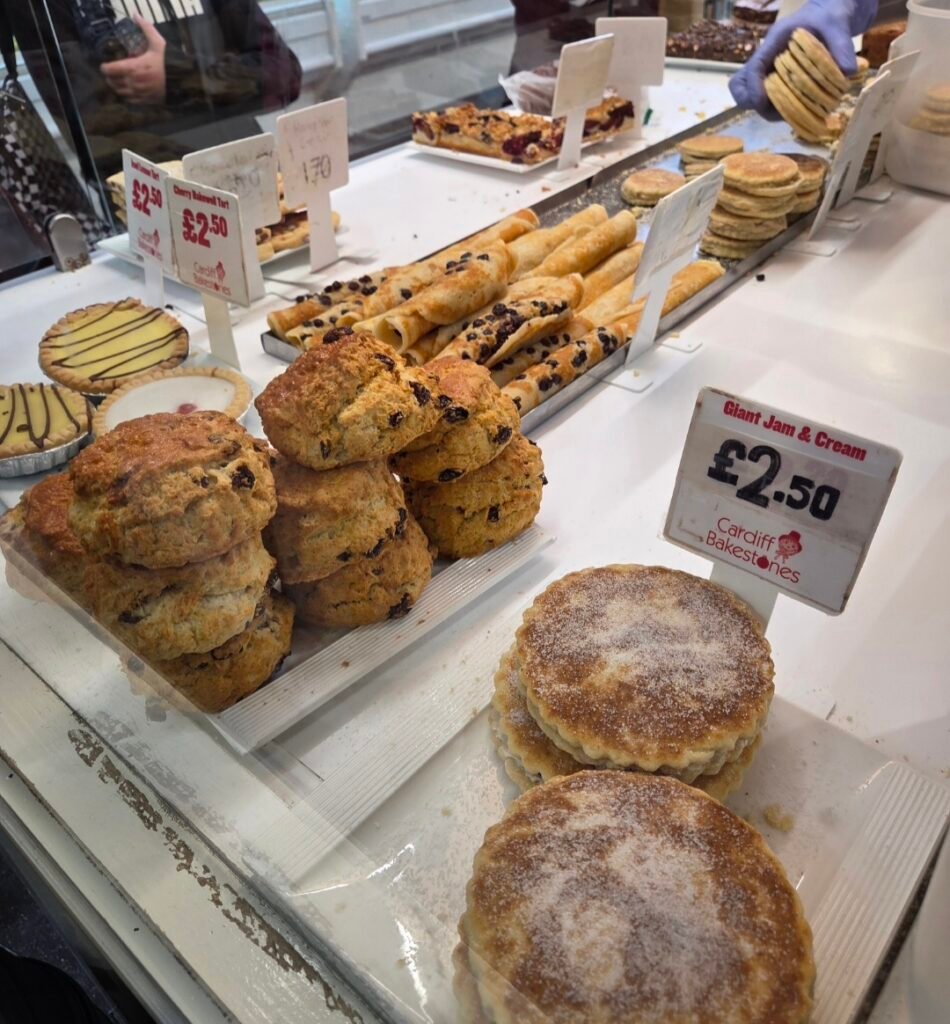
During the Easter break, we took a short one-night trip to Cardiff.
It felt like the sort of trip that should be inexpensive — just a quick change of scenery within the UK.
Yet by the time accommodation, food, transport, and activities were added together, the total came to £436.
With exchange rates where they are, even a modest domestic trip can cost more than I expect.
Still, it felt worth it. A short change of scene can do wonders during a long school holiday.
The Hidden Cost of Going Out
We also spent quite a few days in central London during the school holidays.
Museums, markets, exhibitions, long walks through the city — many of London’s best days are surprisingly inexpensive.
The problem is that once you’re out all day with children, meals tend to follow.
A coffee here, lunch there, a quick snack because everyone is hungry.
Individually they never feel significant, but together they added up to £321 spent on eating out.
The Bills That Sneak Up on You
When I first looked at our utility and household bill total, it seemed unusually high.
After checking the breakdown, I realised the main reason was car insurance.
Previously I paid it annually, but this year I switched to monthly payments, which means it now appears in our monthly budget.
Seeing it every month makes me think I may go back to paying annually next year.
The Category That Always Surprises Me
The spending category that catches me off guard every month is household supplies.
Toilet paper. Shampoo. Laundry detergent. Toothpaste. Kitchen supplies.
Nothing exciting.
Most of these purchases happen on Amazon, and individually they never seem expensive.
But when I look at the monthly total, they consistently add up faster than I expect.
Compared with some other countries I’ve lived in, Britain often feels expensive for everyday manufactured goods. School supplies, storage boxes, replacement chargers, household basics — none are particularly costly on their own, but together they become a meaningful part of the budget.
Final Thoughts
Every month I finish this exercise with the same conclusion:
We are not living extravagantly.
There are no luxury purchases, expensive gadgets, or designer shopping sprees hiding in these numbers.
And yet the baseline cost of everyday life still feels remarkably high.
That said, April included museum days, a family trip, meals out, music lessons, sports, and activities the children genuinely enjoy.
Looking back, it was an expensive month — but also a good one.