
When people think about studying abroad, the United States is often the first destination that comes to mind.
It is easy to see why.
American universities are highly visible, widely respected, and deeply embedded in global culture. Growing up, I consumed far more American media than British media, so for a long time I naturally assumed that the US offered more opportunities and a better academic experience.
I almost took that path myself.
More than ten years ago, I was preparing applications for PhD programmes in the United States. I contacted professors, visited campuses, and even received support from a potential supervisor. For various reasons, however, life took me in a different direction.
Years later, I eventually began a PhD in the UK instead.
Looking back, I do not think one system is objectively better than the other. But they are different in ways that matter, especially for mature students, parents, and people returning to academia later in life.
If you are trying to decide between a postgraduate degree in the UK and one in the US, here are some of the differences that stood out to me.
1. Time Matters More Than You Think
For someone moving directly from undergraduate study into postgraduate education, programme length may not seem particularly important.
But if you are returning to study in your thirties or forties, balancing work, family responsibilities, or raising children, those extra years can feel significant.
In general:
- UK master’s degrees typically take one year.
- UK PhDs usually take three to four years.
- US master’s degrees often take two years.
- US PhDs commonly take five to seven years.
Of course, every student and every discipline is different, but the overall structure tends to follow this pattern.
As a parent, one of my biggest questions was simple:
When will I finish?
The shorter timeframe of a British PhD was one of the factors that made it a realistic option for me.
2. Research Begins Much Earlier in the UK
One of the biggest differences is how doctoral programmes are structured.
British PhD programmes generally assume that students already have the academic background needed to begin independent research relatively quickly.
There is usually little or no coursework comparable to the extensive taught components found in many US doctoral programmes.
Instead, students focus on developing their research projects from the beginning.
Most UK PhD students start as MPhil candidates and spend their first year refining their research questions, developing methodology, and completing research training. At the end of that first year, they typically undergo an upgrade or transfer process before officially progressing to PhD status.
The second year is often devoted to data collection and fieldwork, while later years focus increasingly on analysis and writing.
In practice, many students take four years rather than three to complete the degree, but the overall emphasis remains firmly on independent research.
The US model is generally more structured and gradual.
Many doctoral students spend their first years taking required courses, completing examinations, and fulfilling programme requirements before moving fully into dissertation research.
For some students, that additional academic training is a major advantage.
For others, particularly those balancing study with family responsibilities, it can feel like a longer and more demanding path.
3. The Relationship Between Supervisors and Students
This is naturally difficult to generalise, but one aspect of British academia that surprised me was how informal many interactions felt.
Students often address professors by their first names, and the relationship tends to feel relatively collaborative rather than strongly hierarchical.
That does not mean supervisors are not influential. They play a crucial role in a doctoral student’s progress. However, the overall atmosphere often feels less formal than many people expect.
Another interesting difference is that PhD researchers in the UK are often treated more like research staff than students. Unlike undergraduate students, PhD researchers do not usually have a long summer break. Instead, many universities provide annual leave allowances similar to those of staff members.
That structure helps create a culture in which doctoral researchers are viewed as junior colleagues in training rather than pupils being supervised.
4. Funding and Opportunities
This is the area where the United States often has a clear advantage.
Funding opportunities, particularly at PhD level, can be more abundant in the US.
In STEM subjects, funded positions are available in both countries, although competition can be intense. In the humanities and social sciences, however, fully funded opportunities are often harder to find in the UK.
As a result, self-funded doctoral students are not uncommon.
Living costs can also be a challenge, especially in cities such as London. For students with partners or children, financial considerations quickly become one of the most important factors in the decision-making process.
The US is not inexpensive either, but the scale and variety of funding opportunities often give students more options.
So Which One Is Better?
After spending years thinking about this question, I no longer believe there is a universal answer.
The better choice depends on your goals, finances, stage of life, and preferred way of learning.
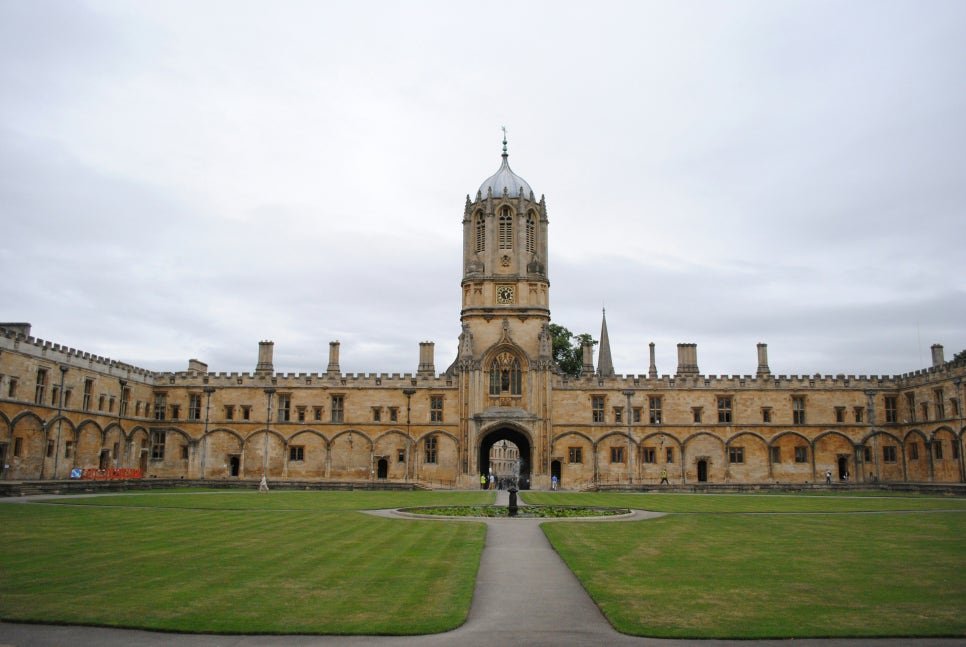
If you already have a clear research direction and want to move quickly into independent research, the UK may be a strong fit.
If you value a longer, more structured doctoral experience, broader funding opportunities, and additional academic training, the US may be the better option.

For me, the British system made sense.
As a parent raising two children while pursuing a PhD, I needed a programme that allowed me to focus intensely on research and complete the degree within a relatively predictable timeframe.
That may not be the right choice for everyone.
But it was the right choice for me.