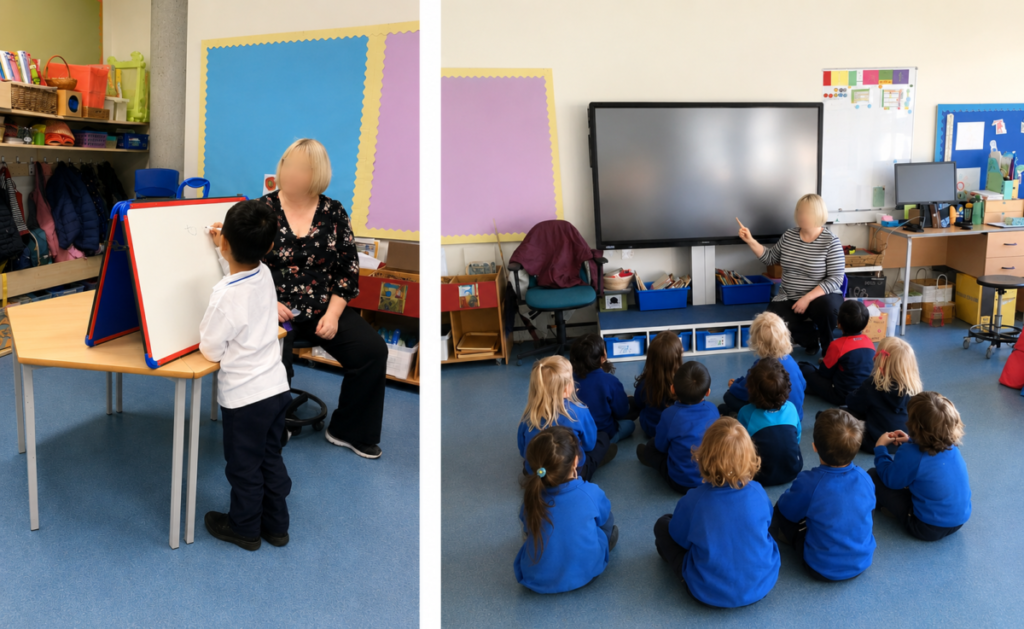
Whether you have children—and whether those children are school-age—can completely change the experience of living abroad.
Without children, moving overseas is largely about finding a place to live, adjusting to a new culture, and building a life in an unfamiliar country.
With school-age children, however, an entirely different set of questions suddenly becomes important.
Which school will they attend?
How does the admissions process work?
Will there be places available?
For many families, school admissions quickly become one of the biggest concerns when planning an international move.
When I decided to move to the UK with my two children, without any family or friends already living here, I spent countless hours trying to understand how school admissions worked. The information was scattered across council websites, school websites, and parenting forums, and it was surprisingly difficult to piece everything together.
Having gone through the process myself, I thought it would be helpful to explain how primary school admissions work in England, particularly for international families, students, and expatriates arriving from overseas.
How UK Primary Schools Are Structured
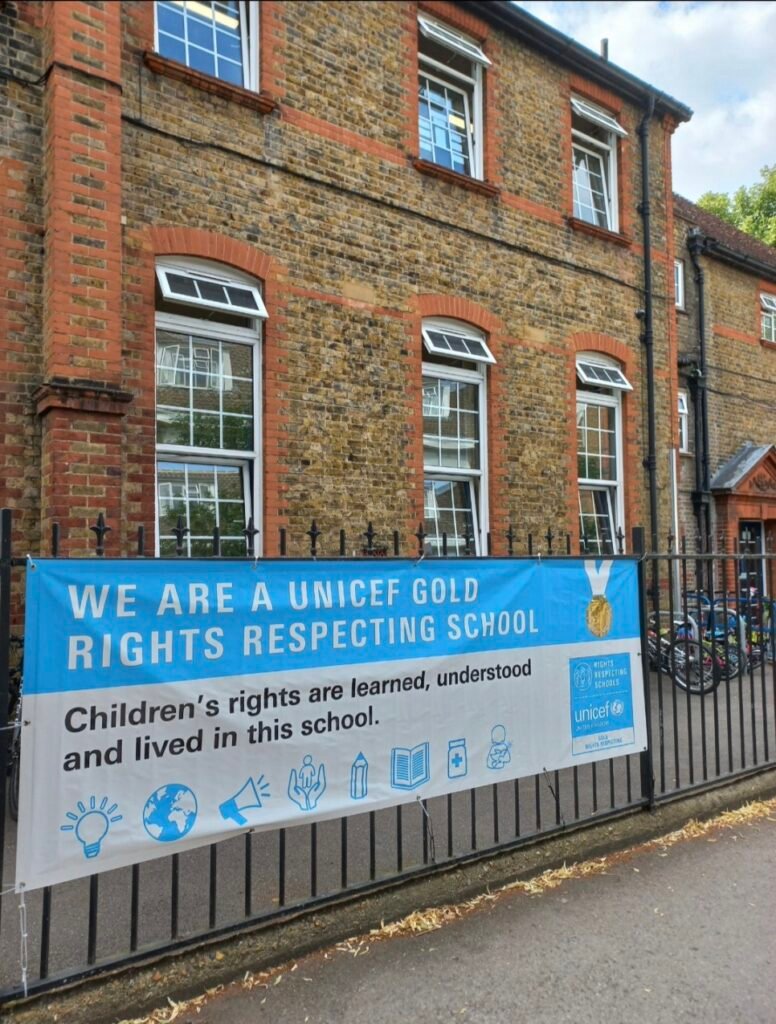
Before discussing admissions, it helps to understand the basic structure of primary education in England.
Children attend:
- Reception (ages 4–5)
- Year 1 (ages 5–6)
- Year 2
- Year 3
- Year 4
- Year 5
- Year 6 (ages 10–11)
One thing that surprises many international parents is that formal schooling begins with Reception rather than Year 1.
Reception may look similar to kindergarten at first glance, but it plays a significant role in a child’s early education. This is typically when children begin learning phonics, which forms the foundation for reading and writing. In my experience, the quality of phonics teaching during Reception can have a lasting impact on a child’s confidence with English.
When Do You Apply for Reception?
If your child is starting school for the first time, applications are normally submitted during the academic year before they begin Reception.
For example:
- Children born between 1 September 2021 and 31 August 2022 will start Reception in September 2026.
- Applications open in September 2025.
- The deadline is usually around mid-January 2026.
Applications are generally made through your local council rather than directly through the school itself.
In London, many councils use the Pan-London eAdmissions system, while other parts of England operate similar local authority application systems.
As a rule of thumb, if your child will start Reception in September, it is best to submit your application well before the January deadline.
Moving to the UK Mid-Year? You’ll Need an In-Year Admission
Most international families do not arrive conveniently at the start of the school year.
Our family certainly did not.
If your child is already school-age and you move during the academic year, you will usually apply through what is known as an in-year admission.
The key point is that applications are normally handled by the local council, not the school itself.
For example:
- Families living in Wimbledon or Raynes Park apply through the local authority for that area.
- Families living in New Malden or Kingston apply through a different council.
The exact process varies slightly depending on where you live, but the general principle is the same throughout England.
What Documents Will You Need?
When we applied, we were asked to provide:
- Children’s passports
- Visa documents
- Proof of address
- School reports from their previous school
Different councils may request slightly different documents, and requirements sometimes seem to vary depending on the individual caseworker handling the application.
One lesson I learned is that it is often worth starting the process as soon as you have secured accommodation, even if every detail is not yet finalised.
British administration can move more slowly than many international families expect, so getting started early is usually beneficial.
How School Places Are Allocated
A couple of weeks after submitting our application, a council officer contacted us to explain the availability of places.
The conversation went something like this:
“Our first-choice school is full.”
“Our second-choice school is also full.”
“The third-choice school has a place available for one child, but not the other.”
We then discussed waiting lists, sibling priority, and the likelihood of places becoming available later.
This is a fairly common experience in popular areas.
Many families assume that once they move into a neighbourhood, they can simply choose any nearby school. In reality, availability can be quite limited, particularly at highly sought-after schools.

Understanding Waiting Lists
One thing that surprised me was how important waiting lists can be.
In many popular schools, places are fully allocated across multiple year groups.
Children may spend weeks or even months on waiting lists before a place becomes available.
Generally speaking:
- Places become available more frequently in younger year groups.
- Movement decreases significantly in older year groups.
- Families are less likely to move schools once children reach the final years of primary school.
- Secondary schools often experience even less movement than primary schools.
This means that older children can sometimes face longer waits for places in popular schools.
Can Foreign Children Attend UK State Schools?
Yes.
In practice, admission is usually straightforward if:
- The parents hold a valid visa allowing residence in the UK.
- The family genuinely lives within the local area.
Schools themselves are often far more interested in where a child lives than where a child was born.
London in particular is home to families from all over the world, so schools are very accustomed to welcoming children from different backgrounds. In our experience, nationality was never an issue.
The much more important factor was our address.
What Matters Most? Choose Your Area Carefully
After going through the process, my biggest piece of advice is surprisingly simple:
Choose your neighbourhood carefully.
School admissions in England are heavily influenced by where you live, especially at primary level.
A good address can make school admissions significantly easier.
I would also recommend:
- Researching schools before signing a rental contract.
- Checking recent inspection reports.
- Applying as early as possible.
- Monitoring both council and school websites regularly.
- Keeping realistic expectations, as even excellent schools may have long waiting lists.
Final Thoughts
If you are planning to move to the UK with children, school admissions are one of the most important things to prepare in advance.
The process can feel confusing at first, particularly for families arriving from overseas, but it becomes much more manageable once you understand how councils, waiting lists, and catchment areas work.
A little preparation before you move can save a great deal of stress after you arrive.