When I first moved to the UK, one piece of financial advice kept coming up again and again:
“Open an ISA.”
Friends mentioned it. Colleagues mentioned it. Even people who weren’t particularly interested in investing seemed to have one.
At the time, I nodded politely and moved on.
I was juggling a PhD, raising children, navigating a new country, and trying to keep everyday life under control. Learning about investing felt like one more thing on an already overwhelming to-do list.
Looking back, I wish I had listened sooner.
How I Ended Up Opening an ISA
I’ve never been someone who followed financial markets closely.
Back in Korea, I owned a few shares here and there, but I wouldn’t have described myself as an investor. I was simply doing what many people do: putting a little money into the market and hoping for the best.
One friend I met in the UK was far more financially savvy than I was. From almost the moment I arrived, she kept telling me the same thing:
“Open an ISA as soon as possible.”
The platform she recommended most often was Trading 212.
For a long time, I ignored the advice.
Not because I disagreed with it, but because I simply didn’t have the mental space to learn about ISAs, investment platforms, tax wrappers, and everything else that seemed to come with them.
Eventually, about two years ago, I finally opened an account.
My immediate reaction was:
“Why didn’t I do this earlier?”
Sometimes the Hardest Part Is Just Starting
One lesson I’ve learned is that financial decisions are easy to postpone.
You tell yourself you’ll look into it next month.
Then next month becomes next year.
In reality, opening the account was the biggest step.
You do not need thousands of pounds to begin. Whether it’s £10, £50, or £100, putting a small amount of real money into an account gives you a reason to pay attention and learn.
Once I had money invested, I naturally became more interested in understanding how everything worked.
What Exactly Is an ISA?
ISA stands for Individual Savings Account.
It is one of the UK’s most valuable tax-efficient financial products.
In simple terms, an ISA allows you to earn interest, dividends, and investment gains without paying tax on those returns.
Outside an ISA, some investment profits may eventually become subject to taxes such as Capital Gains Tax or dividend tax.
Inside an ISA, those gains are generally sheltered from tax.
For that reason, many long-term investors prioritise using their ISA allowance before investing through a standard brokerage account.
The ISA Allowance Everyone Talks About
One of the most important things to understand is the annual ISA allowance.
Currently, you can contribute up to £20,000 per tax year.
The UK tax year runs from 6 April to 5 April.
You can split your allowance across different types of ISAs. For example:
- £5,000 into a Cash ISA
- £10,000 into a Stocks & Shares ISA
You would still have £5,000 of allowance remaining for that tax year.
One important detail is that unused allowance does not roll over. If you don’t use it, you lose it when the new tax year begins.
Cash ISA vs Stocks & Shares ISA
When I first opened my account, I was far more comfortable with a Cash ISA.
Cash ISA
A Cash ISA works much like a savings account.
You deposit money, earn interest, and the interest is tax-free.
For people who dislike investment risk, it can be an attractive option.
The trade-off is that over very long periods, cash savings often struggle to outpace inflation.
Stocks & Shares ISA
These days, I use a Stocks & Shares ISA far more often.
A Stocks & Shares ISA allows you to invest in shares, ETFs, funds, and other investments while keeping any gains sheltered from tax.
Of course, investing carries risk.
Values can go down as well as up.
Personally, I do not spend time trying to pick winning individual stocks. I learned long ago that I am not especially talented at predicting markets.
Instead, I invest regularly into broad market ETFs and focus on consistency rather than trying to beat the market.
That approach suits my personality much better.
Why I Chose Trading 212
Trading 212 is one of the most popular investment platforms in the UK, and I know plenty of British friends, international students, and expat families who use it.
What I like most is its simplicity.
The app is straightforward, account opening is quick, and it allows small regular investments without feeling intimidating.
Some features I particularly appreciate include:
- Easy account setup
- User-friendly mobile app
- Stocks & Shares ISA availability
- Regular investing automation
- Fractional shares
- No platform fee for standard investing accounts
As someone who doesn’t enjoy complicated financial products, I found it much easier to navigate than I expected.
The Thing I Wish I’d Known Earlier
If I could go back and give my newly arrived self one piece of financial advice, it would not be about which ETF to buy.
It would simply be:
Open the ISA.
The exact investments matter, but the tax advantages of an ISA become more valuable the longer you use them.
The sooner you start, the more years those benefits have to compound.
Final Thoughts
This is not investment advice, and investing always involves risk.
I’m certainly not a financial expert.
But if you’ve recently moved to the UK and keep hearing people talk about ISAs, hopefully this gives you a useful starting point.
For me, the biggest regret wasn’t choosing the wrong investment.
It was waiting too long to begin.
These days, I occasionally look at the small amount automatically invested each month and think:
“Now I understand why everyone told me to start earlier.”
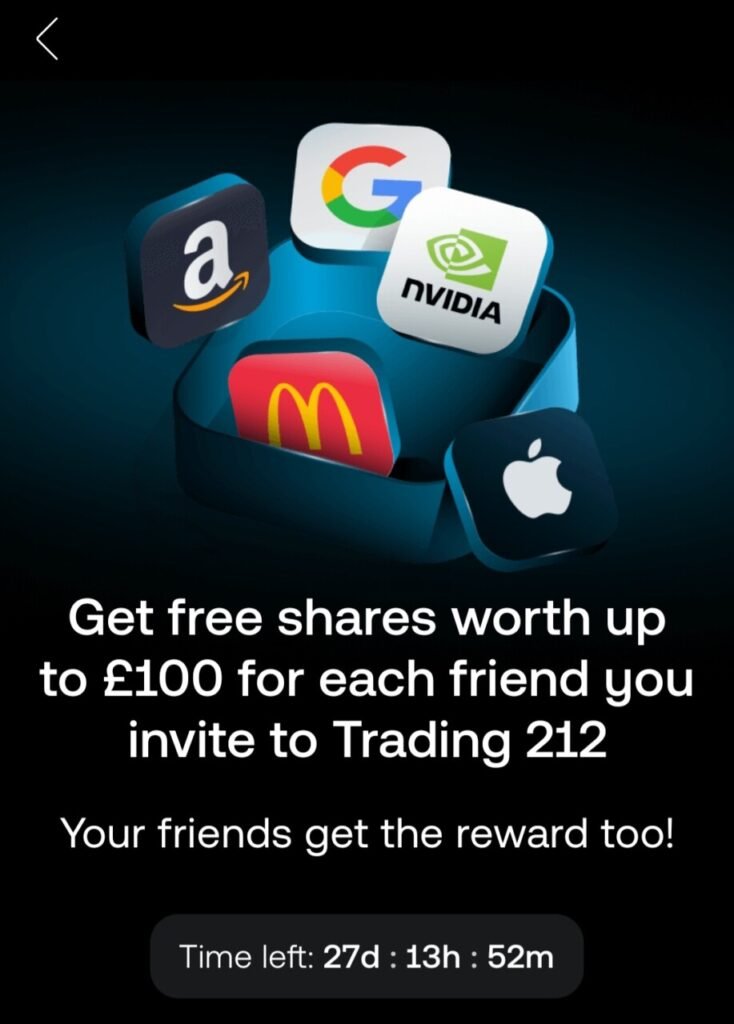
If you’re considering opening an ISA and don’t yet have a Trading 212 account, you can use my referral link below. At the time of writing, both the new customer and the referrer may receive a free share worth up to £100, although promotions and eligibility rules can change.
[https://www.trading212.com/invite/19BZkt9yq0 ]
Disclosure: This post contains a referral link. If you sign up through my link, I may receive a reward at no additional cost to you. Investing involves risk, and the value of investments can go down as well as up. Always do your own research and check the latest terms and conditions before opening an account.