The children went back to school on Monday after the May half-term break, and the house suddenly became quiet again.
My older child is approaching end-of-year exams and has actually started revising quite seriously. My younger one, who spent most of the holiday lying on the sofa repeatedly declaring, “I just want to play football!”, has happily returned to school as well.
And it reminded me of something I still find slightly surprising after several years in Britain.
Why don’t they get any homework for such a long school break?
When I was growing up in Korea, school holidays and homework went hand in hand. As soon as the summer or winter holidays began, my mum would always tell me to get my homework done first and then enjoy the rest of the break.
I was exactly the sort of child who did just that. If there were thirty days of holiday ahead of me, I wanted all my homework finished within the first couple of days so I could enjoy the rest of the break without it hanging over me.
My children’s experience has been completely different.
At least at our primary school, homework is minimal.
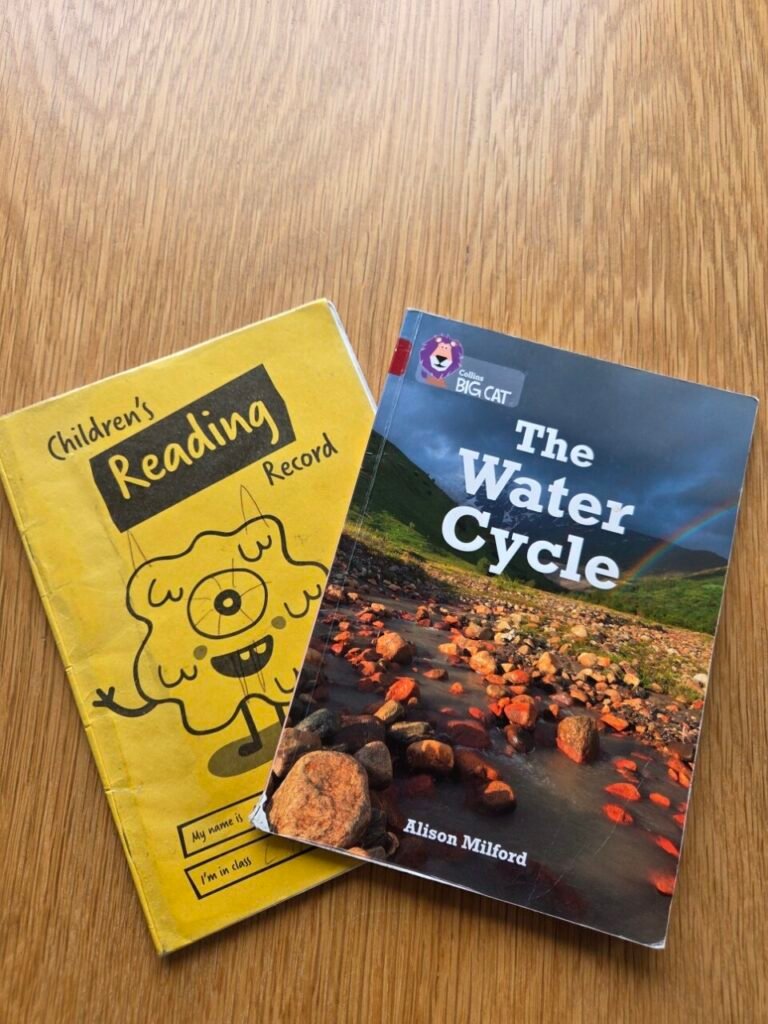
The main ongoing task is reading. Children keep a Reading Record and are encouraged to read regularly at home. At the beginning of each term, they also receive something called a Home Learning Grid.
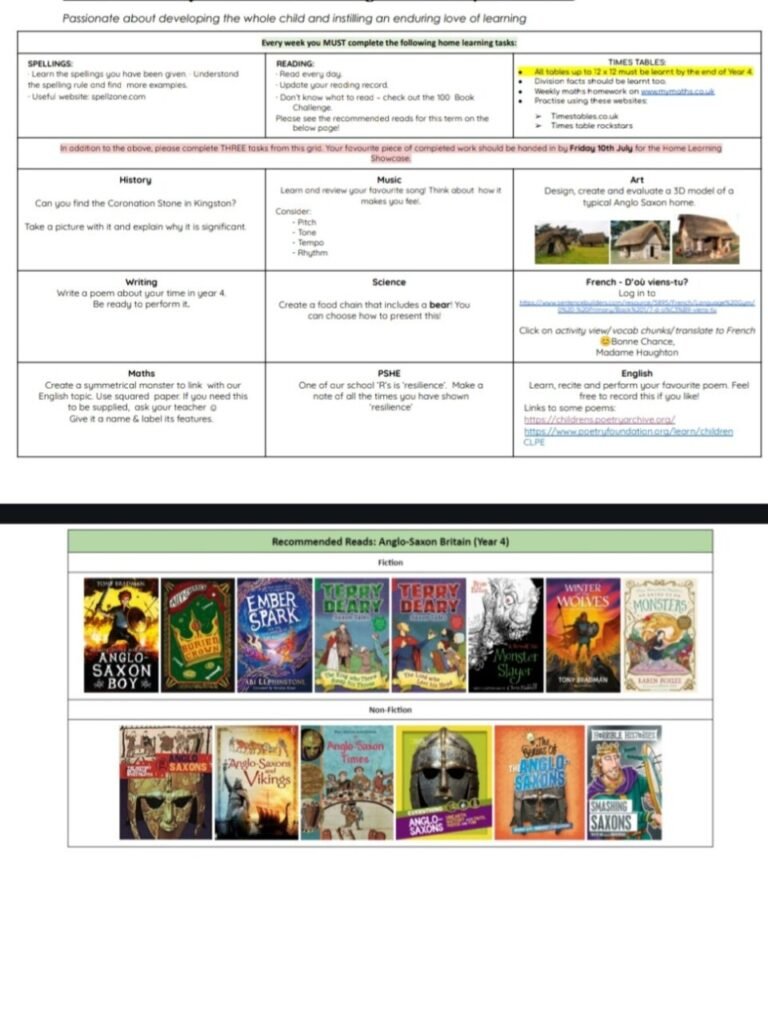
This is a sheet filled with optional activities linked to the topics they will study that term. Children usually choose a few activities to complete before the end of term and then share them with their class.
Some activities are academic. Others are creative.
One box might ask children to write a poem or solve maths problems. Another might involve building a model, creating a poster, drawing artwork, or even cooking something related to the topic.
When my children were younger, the creative projects were always the ones I secretly worried about.
A six-year-old’s idea of a model and an adult’s idea of a model are often very different things.
Like many parents, I occasionally found myself stepping in to “help” a little more than necessary.
Over time, though, I realised something.
The teachers can always tell.
The beautifully finished projects that look as if they belong in an art exhibition rarely fool anyone. The slightly wonky, imperfect creations made entirely by the child are actually much closer to the spirit of the assignment.
These days I mostly leave them to it.
Ironically, I am usually the one encouraging my children to choose the easiest options. If writing a poem takes twenty minutes while building a model takes an entire weekend, the choice seems obvious to me.
My children never agree.
Without fail, they choose the activities that involve cutting, drawing, painting, building, or cooking.
Fortunately, my eldest genuinely enjoys making things and often throws himself into helping his younger sibling with great enthusiasm.
I am always grateful for that.
The truth is that homework simply does not occupy much space in our family life here.
During term time, there is very little stress about it.
During school holidays, there is even less.
Before each holiday, teachers usually share recommended reading lists for the following term. We often take those lists to our local library and borrow a few books connected to the topics that will be covered in class.


The children usually come home with a mixture of recommended books and their own favourites.
My younger one still borrows Wimpy Kid books despite having read most of them several times already.
I usually leave with a small pile of cookbooks for myself.
One of my favourite weekend routines is sitting with a cup of coffee and casually flipping through recipe books borrowed from the library.
The longer I live in Britain, the more I feel that the attitude towards education is simply different.
Schools provide the foundation, but what happens beyond that is often left to individual families.
Children who enjoy academic subjects can pursue them enthusiastically. Families who place a strong emphasis on education can certainly do more. But there is less pressure for every child to excel academically.
Perhaps that is why academic pressure feels noticeably lighter than what I experienced growing up.
There are still high-achieving students. There are still ambitious families. There are competitions, projects, clubs, sports teams, and countless opportunities available both inside and outside school.
The difference is that much of it feels optional.
People participate because they want to, not because everyone else is doing it.
Neither approach is perfect, but living in several countries, including England, has made me realise how differently people can think about childhood, education, and learning.