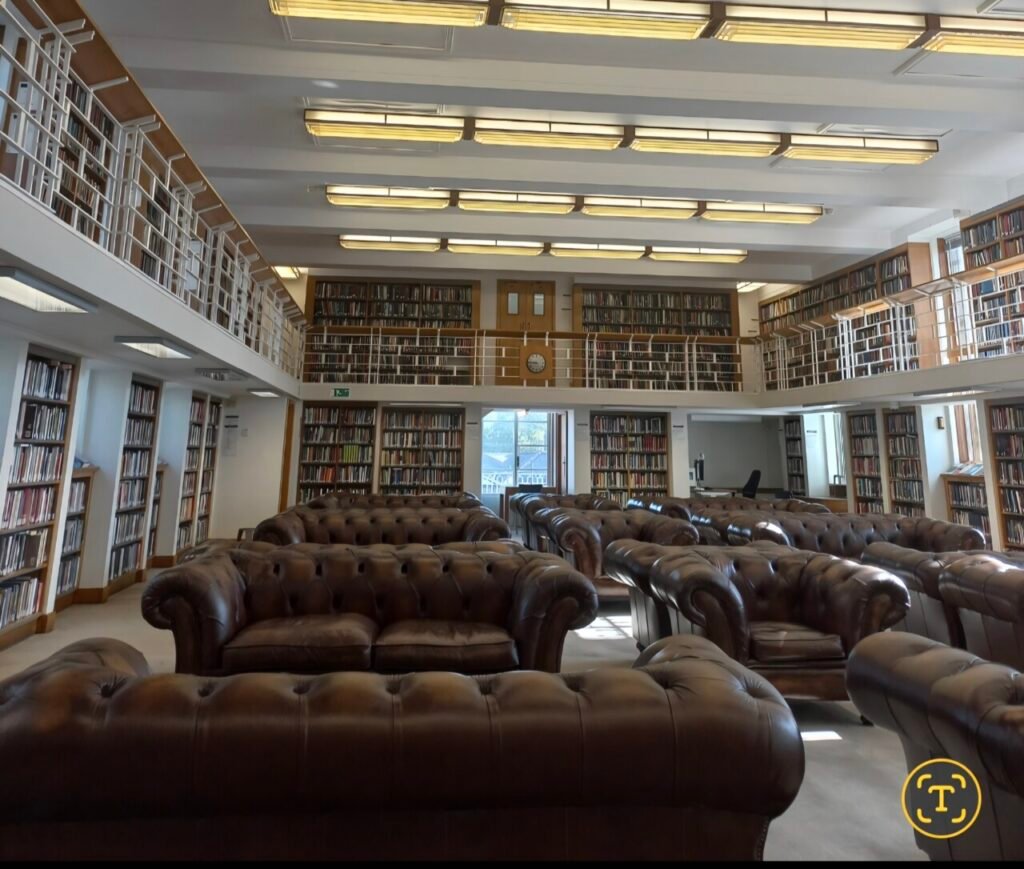
Although we currently live in Britain because of my PhD studies, my family has lived in several countries, including the United States and two European countries, because of my husband’s work.
During those years, my children attended private international schools, mostly following either the British or American curriculum.
For the past three years, however, they have been attending a local primary school in England.
Having experienced both private and state education, I am often asked whether private school is really worth the money.
A Quick Note About “State Schools”
Before moving to Britain, I assumed that a public school would be a public school.
One of the more confusing aspects of British education is that a “public school” is usually not a public school. In Britain, the term traditionally refers to some of the country’s most prestigious private schools.
How Much Does a UK State Primary School Cost?
The biggest advantage is obvious: there are no tuition fees.
As long as a family has the legal right to live in the UK, children can attend local state schools on the same basis as everyone else.
But “free” does not mean completely cost-free.
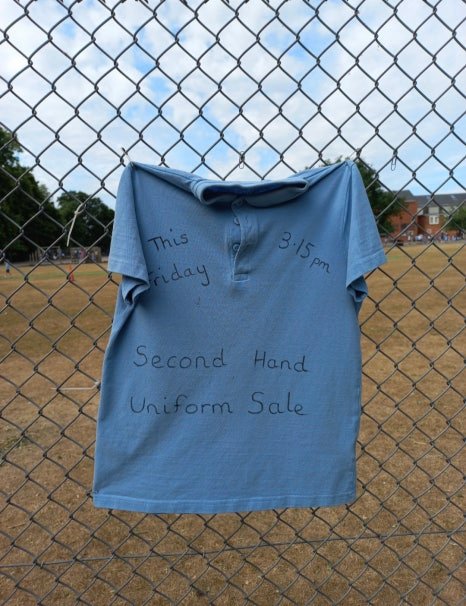
Uniforms
Most primary schools require children to wear a uniform.
The initial uniform purchase can easily cost £100–£200, although ongoing costs are usually lower. How much you spend depends on the school, how quickly your child outgrows clothes, and whether you buy new or second-hand items.
School Lunches
This is where things become a little confusing.
In our London borough, school lunches have been free for several years. Originally, I assumed this was a temporary measure introduced during the cost-of-living crisis, but the policy has continued.
However, friends living in other parts of England still pay for school meals.
The rules vary depending on location and local government policies, so it is worth checking your own area.
After-School Clubs
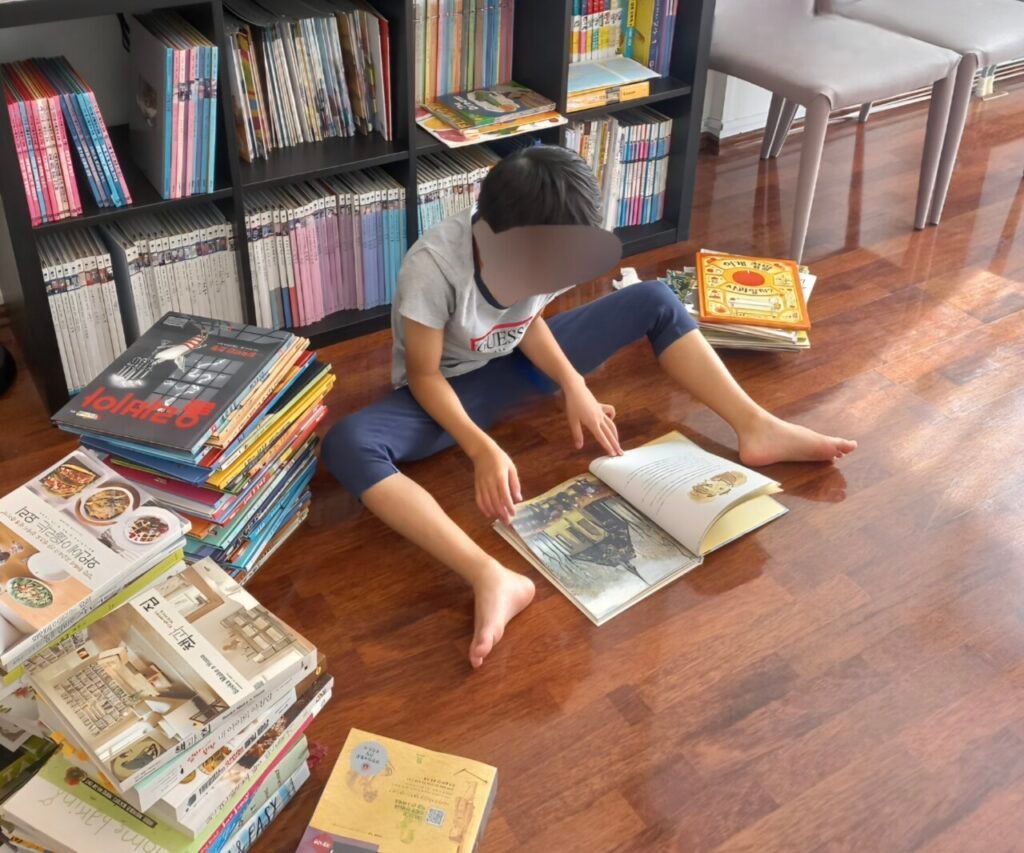
One pleasant surprise has been the variety of clubs available.
Children can join activities such as football, rugby, hockey, athletics, tennis, chess, coding, art, cooking, music, and more.
Most clubs run for an entire term and typically cost around £100 for ten weeks.
This was one of the biggest differences compared with the private schools my children attended previously. There, many extracurricular activities were included in the school fees. Here, they are usually charged separately.
Wraparound Care
For working parents, many schools offer before-school and after-school care.
At our school, children can arrive as early as 7:30 a.m. and stay until 6:00 p.m.
The cost is roughly £10 per hour, although this varies between schools.
School Trips and Activities
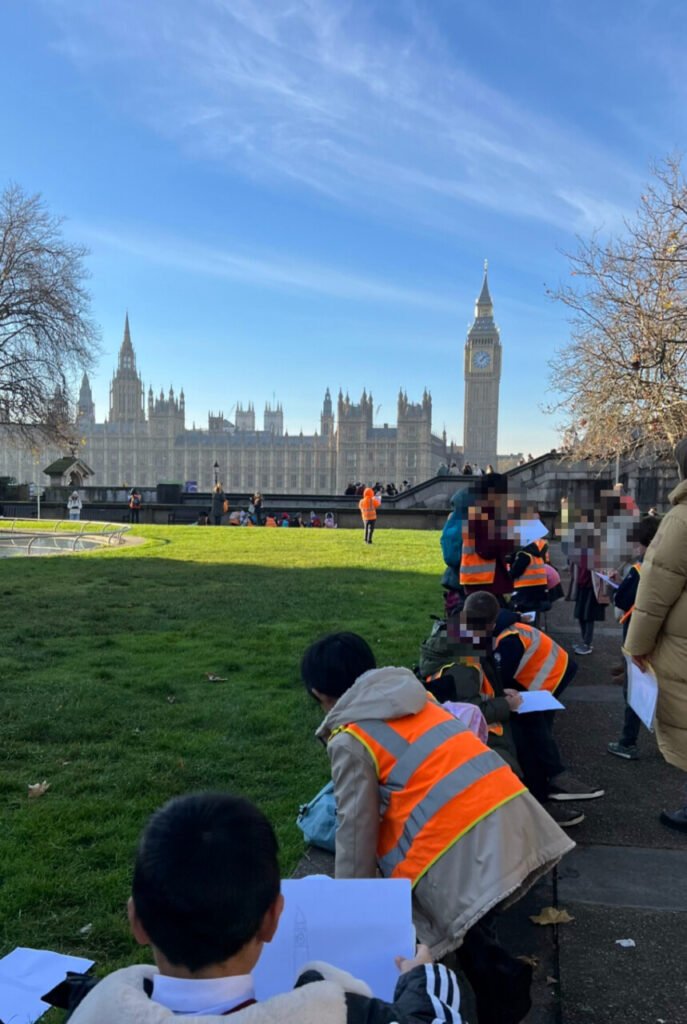
State schools also ask parents for voluntary contributions towards educational visits, workshops, and transport costs.
In practice, we usually pay somewhere between £10 and £30 per trip.
Over the course of a year, these additional costs add up, but they remain modest compared with school fees.
Typical Annual Costs
While costs vary between schools and regions, parents can generally expect something along the following lines:
- Uniforms: £100–£200
- School lunches: free or around £2–£3 per day
- After-school clubs: around £100 per term
- Wraparound care: approximately £10 per hour
- School trips and activities: £50–£100 per year
So How Does It Compare With Private School?
This is the question everyone really wants answered.
A typical private primary school in Britain can easily cost £20,000–£30,000 per year, and that is before additional expenses.
The British international schools my children attended elsewhere in Europe were similarly expensive.
Having experienced both systems, I do think private schools offer advantages.
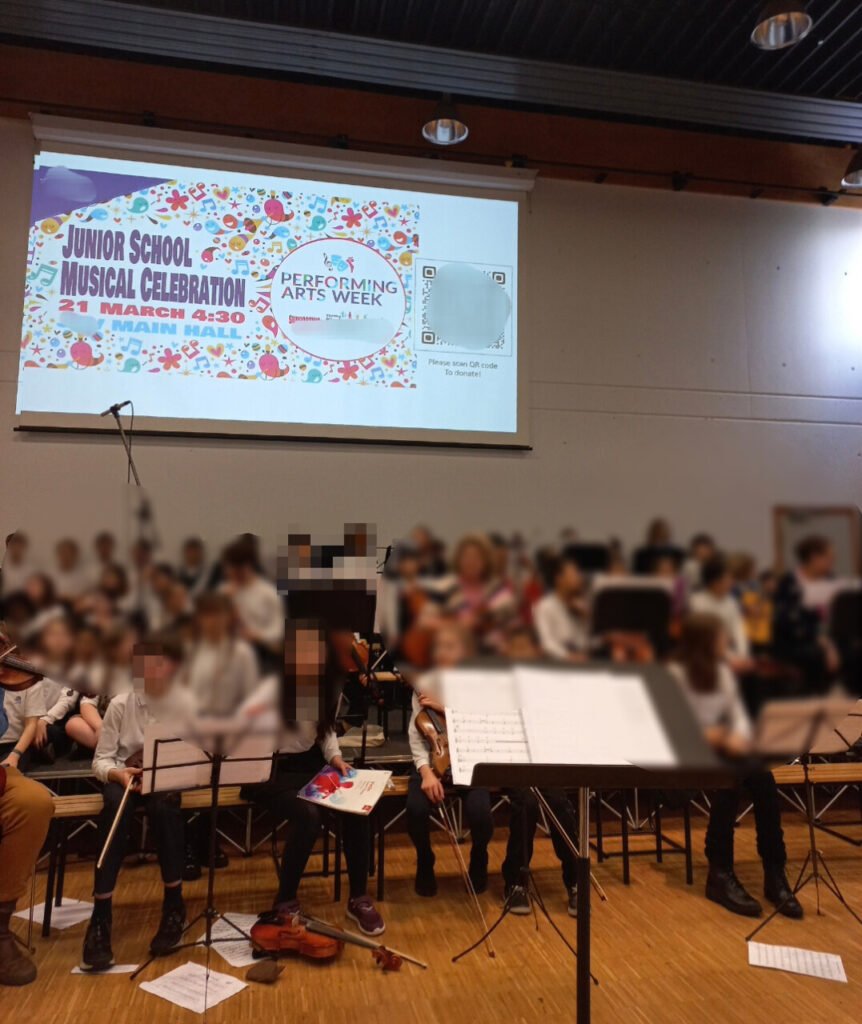
The facilities are often exceptional. One school my children attended had such a large campus that it included its own woodland.
Class sizes tend to be smaller.
Communication with parents is usually faster and more personalised.
Administrative staff are often more responsive.
The overall atmosphere can feel calmer and less pressured.
In contrast, state school offices tend to be much more businesslike. Emails are answered efficiently when necessary, but not always immediately. If something is urgent, I have learned that calling or visiting the school is often more effective than waiting for a reply.
But Is the Education Really Better?
Surprisingly, this is where the difference becomes less obvious.
When I compare the actual teaching, curriculum, and day-to-day learning, I do not see a dramatic gap.
The teachers have been excellent.
The curriculum feels well structured.
Academic expectations are clear.
In some areas, I have even felt that the state system was more consistent and systematic than what we experienced elsewhere.
That does not mean every state school is equally good.
Far from it.
The quality of state schools varies significantly depending on location.
The Importance of Choosing the Right Area
If you are considering state education in Britain, my strongest advice would be this:
Choose the area first.
Good schools often cluster in desirable neighbourhoods, and school quality can vary considerably from one catchment area to another.
When we first moved to England, I worried constantly about taking my children out of excellent private schools and placing them into a state school.
Even though our local school had strong inspection results and a good reputation among parents, I found myself comparing everything to their previous schools.
At first, almost every difference felt like a downgrade.
Looking back, I realise much of that anxiety came from my own assumptions.
Three Years Later
After more than three years, my perspective has changed considerably.
The teachers have been caring and capable.
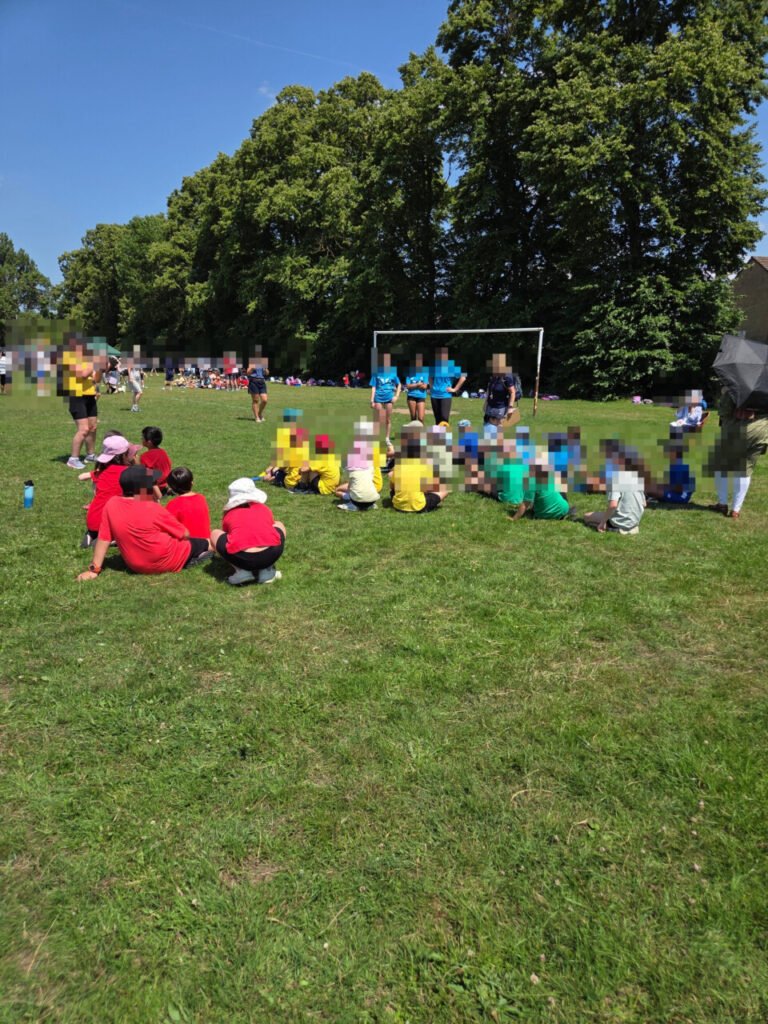
School events are well organised.
The children are thriving academically.
Most importantly, my children are happy.
That matters more than almost anything else.
Only a small minority of children in Britain attend private schools. The vast majority go to state schools, and many receive an excellent education.
If private school fees are comfortably affordable, then a good private school can certainly offer advantages.
But if they would place significant pressure on your finances, I no longer believe private school is automatically the better choice.
A strong state primary school in the right area can provide an education that is far better than many people expect.