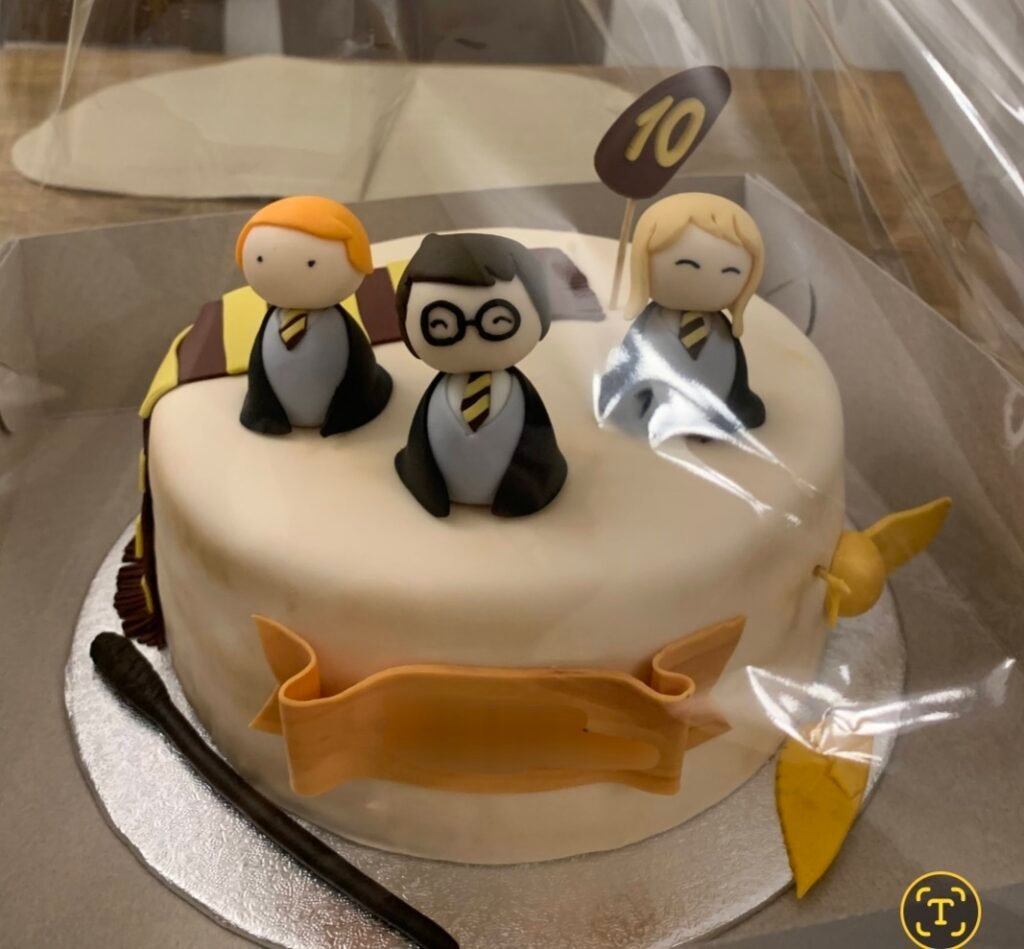
Over the years, as our family navigated schools in different countries, I learned something unexpected: children’s birthday parties matter far more than I ever imagined.
Not because of cake or gifts.
But because, quietly and unexpectedly, birthday parties often become part of how families settle into school life.
Not long after we moved to Britain, my younger child had barely started at his new primary school when an invitation arrived.
It was the final term of Year 1, and just two days after his very first day at school, we were invited to a birthday party happening that same Friday after school.
The entire class had been invited to a nearby soft play centre.
To be honest, I hesitated for a moment.
We were completely new. My child barely knew anyone. I knew no parents at all.
It would have been perfectly reasonable to politely decline.
Instead, we said yes.
I wrapped a present, took a deep breath, and went.
Looking back, I am very glad we did.
Should You Go to a Birthday Party When You Barely Know Anyone?
If you are parenting abroad, this question comes up more often than you might expect.
Your child hardly knows the birthday child.
You do not know the parents.
Foreign language feels tiring.
You suspect the whole thing might feel awkward.
Sometimes staying home sounds far easier.
I understand that feeling.
But after years of parenting in different countries, I have learned this:
If your child gets invited, it is usually worth going — especially if your family is new.
Not because every party will be magical.
And not because you suddenly become friends with everyone.
But because birthday parties are one of the easiest ways to quietly become part of school life.
Children play.
Parents linger nearby.
You exchange a few polite words.
Faces slowly become familiar.
And over time, the school community feels a little less intimidating.
For newly arrived families, those small moments matter more than we often realise.
What Kids’ Birthday Parties Are Actually Like
One thing that surprised me about birthday parties in Britain was how inclusive they can feel.
In the early primary years, it is very common for entire classes to be invited.
Even children who barely know each other often end up at the same party.
At first, this felt unusual to me.
I wondered whether it would feel awkward if nobody really knew one another.
But after attending enough parties, I realised that awkwardness is almost built into the experience — and nobody minds very much.
Parents chat in small groups.
Some already know each other.
Many clearly do not.
Nobody expects perfect social confidence.
You arrive, greet the host, thank them for inviting your child, and settle in.
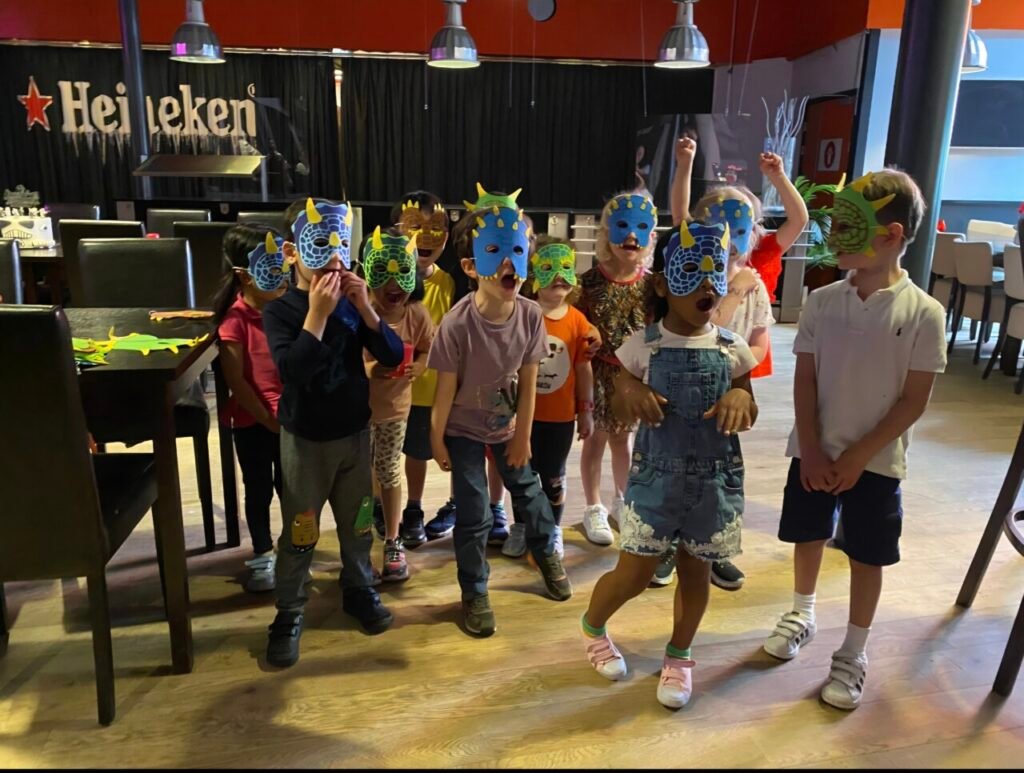
The children usually disappear within minutes.
The adults hover somewhere near coffee or tea.
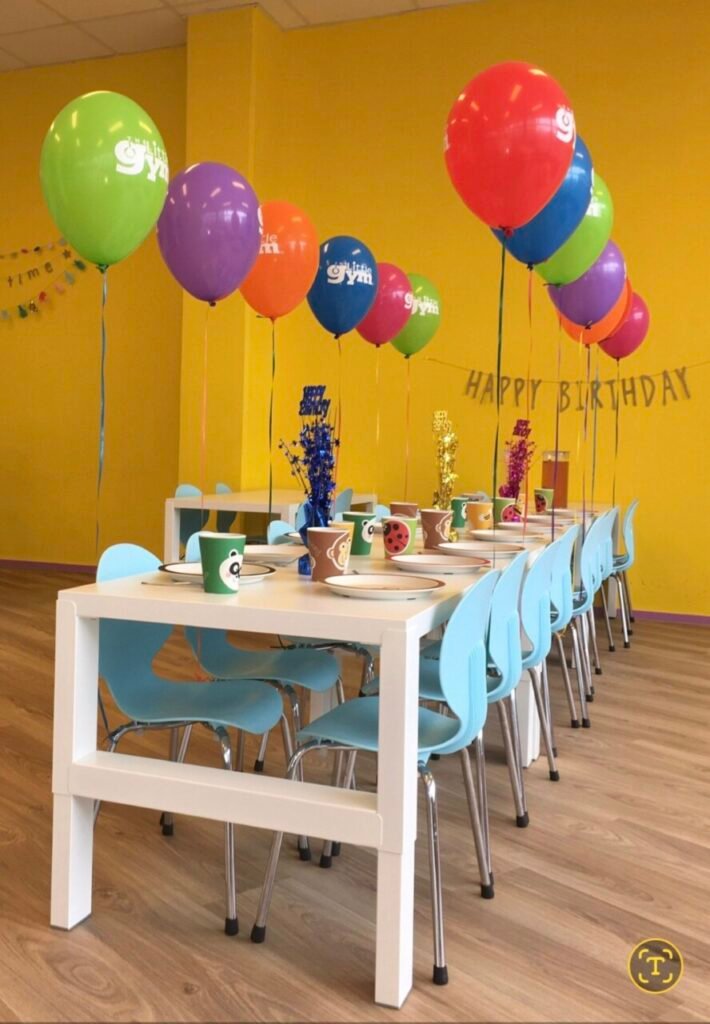
In younger primary years, soft play centres are probably the most common birthday destination.
You may also see sports halls, village halls with entertainers, trampoline parks, bowling, football parties, or simple gatherings in the park.
As children get older, parties tend to become smaller and more activity-based.
But in primary school, especially in the early years, birthday parties can feel almost like miniature social events for the whole class.
The Slightly Awkward Parent Part
For many parents, the difficult part is not the party itself.
It is standing around.
Especially when you are new.
Especially when the language feels effortful.
Especially when everyone seems to know one another already.
The good news is: you do not need to be particularly social.
You do not need to charm the room.
You do not even need to make friends.
A smile helps.
A simple comment about school, after-school clubs, or the general chaos of children running around often helps too.
Sometimes quietly standing nearby and sharing observations about the chaos of children is enough.
And if your child often mentions a particular classmate, birthday parties can become surprisingly good opportunities to meet that child’s parents naturally.
One invitation often leads to another.
Slowly, relationships form.
So… How Much Should You Spend on a Birthday Gift?
This is usually what parents want to know immediately.
The honest answer is: it depends.
Gift expectations vary by school, area, and family culture.
But if you are completely unsure, a practical range in many British local primary schools seems to be somewhere around £15–25.
Closer friends sometimes receive a little more.
Casual class invitations may sit toward the lower end.
Of course, every school is different.
A private school may feel different from a state school. Central London may feel different from a smaller town.
But if you are new and have absolutely no idea where to start, this range is usually a safe place.
After a few parties, you begin to get a sense of what feels normal in your school community.
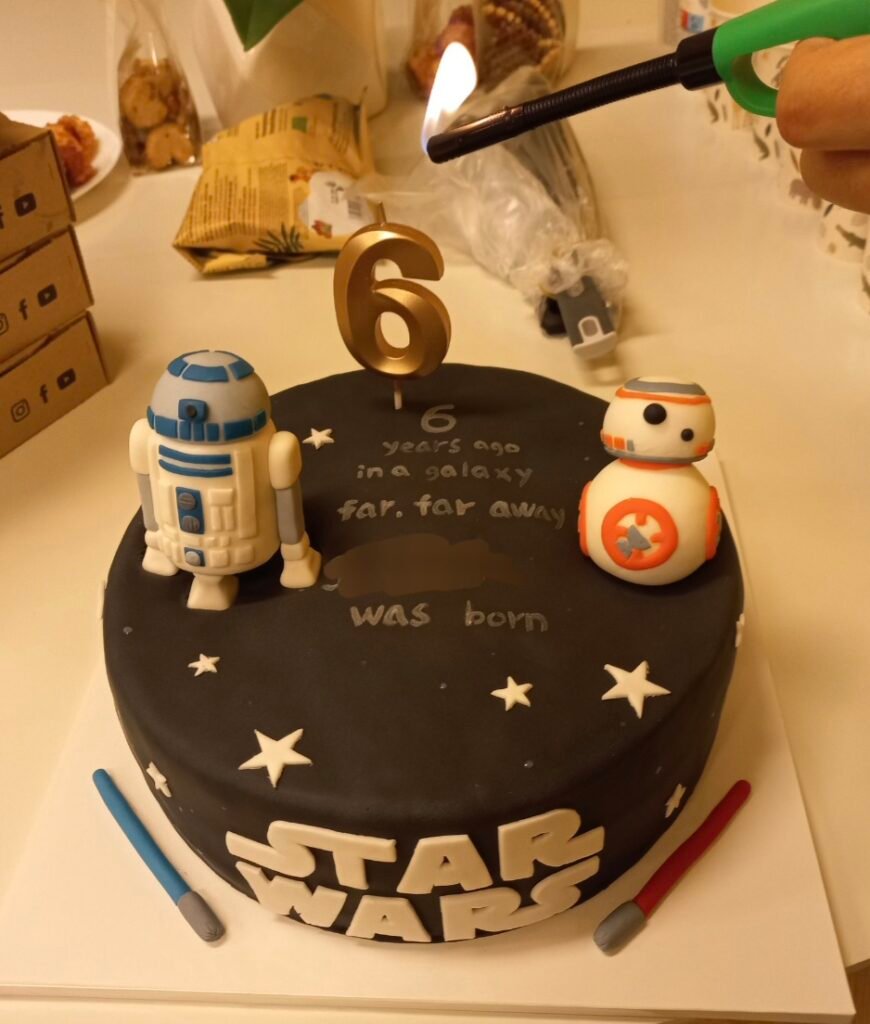
A Small Tip for Families New to a School
If your child is still settling in and friendships feel uncertain, I would gently suggest something that may feel counterintuitive:
Consider hosting a birthday party yourself.
Many parents hesitate.
What if nobody comes?
What if my child is not close enough to anyone yet?
But in my experience, especially in the younger years, broad invitations work surprisingly well.
Children do not need to be best friends to attend.
Most families simply come.
And British parents, I have noticed, do tend to show up. There is a faint sense that turning down an invitation for no particular reason feels ever so slightly rude — even if everyone politely insists, “No worries at all!”
And something subtle happens when birthday invitations start circulating.
Children recognise one another outside school.
Parents begin greeting one another more naturally.
One invitation becomes another.
And before you quite realise it, familiar faces start appearing.
When we first moved to Britain, I thought birthday parties were simply part of school life.
Now I see them a little differently.
For children, they are fun.
For parents — especially those building a life somewhere new — they are often one of the quiet ways belonging begins.