What to Check When Renting a House or Flat in the UK (+ Red Flags to Avoid)
I’ve lived in my previous flat for more than three years.
It’s a modern, relatively new-build flat: warm, clean, well insulated and, most importantly, completely trouble-free.
The only downside was the rent. We were paying £2,750 a month for a two-bedroom flat, which felt expensive even for a safe and pleasant neighbourhood in Zone 6 of Greater London.
Whenever I complained about how much we were paying, my husband would say, “But you’ve had absolutely no stress from the house. That’s what you’re paying for.”
And, annoyingly, he had a point.
In more than three years, I’ve barely had a problem with the flat. Everything works, the building is well maintained, it’s warm in winter, and I’ve always felt comfortable living here with my children.
As someone who spends a lot of time at home studying and working, I’ve realised that the condition of my home probably matters to me more than it does to someone who is out all day.
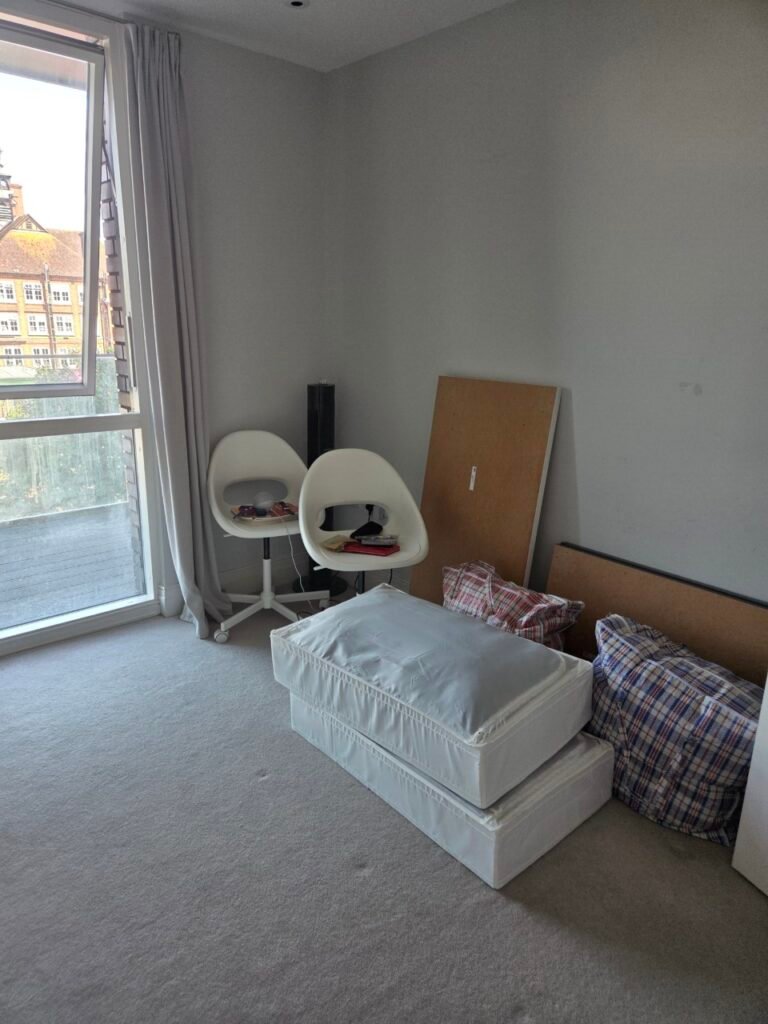
Now, however, we have to move this autumn. My husband has finally joined us after finishing his work project overseas, which means we need more space. A two-bedroom flat simply doesn’t work as well for a family of four — especially when we’ve somehow accumulated far more stuff than I’d like to admit (I always tell myself I want to become more of a minimalist, but the reality seems to be heading in exactly the opposite direction. Looking around at everything we’ll have to pack for the move, I’m definitely regretting that now.).
So recently I’ve found myself back on Rightmove and Zoopla, scrolling through rental listings and remembering just how difficult house hunting in London can be.
Perhaps it’s simply a quiet time of year, but there seems to be very little available in the areas I’m looking at. Most of what appears online at the moment consists of older houses that I can almost rule out from the photographs alone.
So, while I’m searching for our next home, I thought I’d put together my own list of things I now check when renting a house or flat in the UK — and the red flags that would make me think twice.
Rental Properties I’d Look at More Carefully
1. Converted Flats
Not all converted flats are problematic, and some conversions are beautiful.
But I would inspect them more carefully than a purpose-built flat.
Buildings originally designed as offices, schools, churches or other spaces weren’t necessarily built with separate households living above and below one another in mind. Depending on the quality of the conversion, sound insulation between flats can be disappointing.
If I were viewing one, I’d pay particular attention to noise from neighbouring flats, footsteps from above, insulation and the quality of the windows.
For me, noise is one of the biggest reasons to be cautious about a conversion.
2. Flats Above Restaurants, Takeaways or Busy Shops
Again, this isn’t an automatic no, but I’d investigate carefully.
A flat above a restaurant or takeaway can potentially mean cooking smells, late-night deliveries, customers outside and more noise in the evening.
I’d also look carefully for any evidence of pest problems, particularly around bins, communal areas and the back of the building.
The location might be incredibly convenient, but I’d want to visit at different times of day before committing.
3. Poorly Maintained Communal Areas
I’ve stopped judging a block of flats only by the individual flat.
The entrance, corridors, lifts, bin areas, gardens and car park can tell you quite a lot about how well a building is managed.
Are the entrance doors secure?
Does the lift work?
Are the corridors clean?
Is rubbish piling up?
Is there obvious damage that hasn’t been repaired?
I’d also visit the street in the evening if possible. Rather than making assumptions about who lives in a building, I find it much more useful to look at the things that will actually affect everyday life: noise, security, maintenance and how the area feels after dark.
Red Flags I’d Look for in Any Rental Property
1. Carpets That Smell
If I had complete freedom, I’d probably choose a home with hard flooring throughout.
But this is Britain, where carpeted bedrooms — and sometimes carpeted living rooms — are still extremely common, particularly in older properties.
So I’ve accepted that ruling out every home with carpet would make my search unnecessarily difficult.
What I won’t ignore, however, is the condition of the carpet.
During a viewing, I’d pay attention to smells as much as appearance:
- cigarette smoke
- pet smells
- damp or musty smells
- that distinctive smell of very old carpet and dust
Replacing carpet throughout a rental property can be expensive, and I wouldn’t move in assuming that the landlord will replace it later.
And if a property is full of air fresheners, scented candles or diffusers during the viewing?
I’d pay even more attention to what they might be masking.
2. Any Sign of Damp or Mould
This is probably one of my biggest concerns when looking at older British homes.
I’d check carefully around:
- window frames
- bathroom ceilings
- silicone around baths and showers
- external-wall corners
- behind or inside wardrobes
- areas that have recently been repainted
I’d also look for peeling wallpaper, bubbling or cracked paint, condensation and that unmistakable musty smell.
A dehumidifier sitting prominently in a room would make me ask questions too. It doesn’t necessarily mean there’s a serious problem, but I’d want to know why it’s needed.
Damp and mould aren’t something I’d simply assume I could deal with after moving in.
3. A Low EPC Rating
One thing I didn’t fully appreciate before living in Britain was how much difference the energy efficiency of a property can make.
Every rental property should have an Energy Performance Certificate, or EPC, showing its energy-efficiency rating.
My previous flat is extremely warm. Even in winter, we don’t need to have the heating running constantly.
That has made me rather reluctant to move into a noticeably less efficient home.
A lower EPC rating doesn’t automatically mean a property will be freezing, but it would make me investigate the insulation, windows, heating system and likely energy costs much more carefully.
Personally, I’d ideally look for an EPC rating of B or above, with C still being perfectly reasonable depending on the property.
You can check the EPC rating of any property you’re considering renting on the UK government’s website:
4. Single-Glazed Windows
This is another feature that would make me cautious, especially in an older property.
Single glazing can mean more heat loss, more outside noise and more condensation than modern double glazing.
And condensation isn’t just annoying. If moisture repeatedly collects around cold windows and isn’t managed properly, it can contribute to damp and mould problems.
During a viewing I’d check whether the windows are double glazed, whether they close properly and whether I can feel obvious draughts around the frames.
5. Weak Water Pressure
This is easy to forget when you’re concentrating on room sizes and location.
If allowed, I’d turn on the taps and shower during the viewing — although, admittedly, I rarely actually do this.
I’d check whether the water pressure is decent, whether hot water arrives reasonably quickly and whether the temperature seems stable.
I’d also flush the toilets (if possible!).
They’re small things, but you use them every single day.
6. A Neighbourhood That Feels Very Different at Night
A street can feel perfectly pleasant at 11 a.m. and completely different at 11 p.m.
If I were seriously considering a property, I’d try to return to the area in the evening.
I’d look for nearby pubs and late-night venues, street noise, groups gathering outside, poorly lit routes from the station and anything else that might affect how comfortable I’d feel walking home with my children.
For me, this is particularly important because I’m usually the one coming and going with them.
7. A Railway Line or Major Road Right Outside
Some people can sleep through anything.
I’m not one of them.
If a property is directly beside a railway line or busy main road, I’d think carefully about noise — especially if the windows are old.
I’d also consider air pollution and the amount of dust coming into the property.
Sometimes the map tells you more than the estate agent photographs do, so I always check the exact location before arranging a viewing.
8. A Landlord or Letting Agent With Consistently Poor Reviews
The property itself is only half of the rental experience.
A lovely house with an unresponsive landlord can quickly become stressful.
Before signing anything, I’d search the letting agent online and look through reviews. I’d be particularly interested in repeated complaints about repairs being ignored, poor communication or deposit disputes.
Individual online reviews obviously don’t tell the whole story, but if the same complaint appears again and again, I’d take notice.
I’d also pay attention to how the agent communicates before the tenancy begins. If getting a simple question answered is already difficult when they’re trying to secure a tenant, I wouldn’t expect communication to improve afterwards.
9. Very Old Appliances and Boiler
If appliances are included with the property, I’d check them properly rather than simply noticing that they’re there.
The washing machine is particularly important to me with children.
I’d check:
- washing machine
- tumble dryer, if included
- fridge and freezer
- oven
- hob
- boiler
I’d want to know whether they’re reasonably clean, how old they appear to be and whether anything is obviously damaged.
A functioning but extremely old and dirty washing machine may technically be “provided”, but that doesn’t necessarily mean the landlord is going to replace it simply because you’d prefer a newer one.
Better to know what you’re getting before you sign.
My UK Rental Viewing Checklist
After more than three years of renting here, this is the checklist I’m planning to take with me when I start viewing properties seriously.
Basic Costs and Information
Before arranging a viewing, I check:
- Monthly rent
- Tenancy deposit
- Council Tax band
- Any additional charges
- Available move-in date
- Furnished, part-furnished or unfurnished
- EPC rating
- Broadband availability and likely speeds
For broadband, I check which providers actually serve the address and whether faster options such as full fibre are available.
Damp and Mould
This is high on my list.
I check:
- Black mould around windows
- Peeling wallpaper
- Bubbling or cracked paint
- Musty smells
- Condensation
- Bathroom extractor fan
- Signs of damp on external walls
- Inside wardrobes and cupboards
- Whether any walls have suspiciously fresh patches of paint
Windows and Insulation
I check:
- Double or single glazing
- Draughts around windows
- Whether windows open, close and lock properly
- Obvious gaps around frames
- How much outside noise I can hear with the windows closed
Water Pressure
If possible:
- Turn on the shower
- Run the taps
- Check hot water
- Flush the toilets
Heating
I want to know:
- What type of heating the property uses
- Whether there’s a gas or electric boiler
- Approximately how old the boiler is
- Whether the radiators appear to be in good condition
- Where the thermostat is
- Whether individual rooms can be controlled
Noise
This is one of the easiest things to overlook during a quick viewing.
I listen for:
- Road traffic
- Trains
- Nearby pubs or restaurants
- Sirens
- Aircraft
- Neighbours
- Footsteps from the flat above
Sometimes I’ll simply stand quietly in a room for thirty seconds instead of talking to the agent. You notice much more that way.
Kitchen
I check:
- Fridge and freezer size
- Oven condition
- Gas, electric or induction hob
- Washing machine
- Tumble dryer, if included
- Dishwasher, if important
- Cupboard and storage space
- Extractor fan
A beautiful kitchen with nowhere to store food becomes irritating surprisingly quickly.
Safety and Security
I look at:
- Front-door locks
- Intercom or entry system
- Security of the main building entrance
- CCTV in communal areas, where applicable
- Condition of communal spaces
- Lighting around the entrance
- How the street feels after dark
Location
Estate-agent descriptions of location can be rather optimistic.
“Ten minutes from the station” doesn’t always mean ten minutes when you’re walking with children, carrying shopping or pushing a buggy.
So I check the route myself.
I look at:
- Actual walking time to the station
- Steep hills
- Supermarkets
- GP surgery
- Pharmacy
- Schools, if relevant
- Parks and playgrounds
- Bus stops
And for transport:
- Tube or rail line
- Train frequency
- Last trains
- Weekend services
- Bus routes
A slightly nicer house isn’t always worth a much more inconvenient daily journey.
Before Signing the Tenancy Agreement
Finally, there are a few things I’d never rush.
Read the tenancy agreement carefully rather than assuming it’s a standard contract.
Check what it says about repairs, pets, decorating, notice, access to the property and any other restrictions that matter to you.
If an inventory is provided, go through it properly. Check the condition of walls, floors, carpets, furniture and appliances against what’s written down, and take your own dated photographs when you move in.
I’d also make sure I receive the information showing where my tenancy deposit is protected.
Most importantly, if the landlord or agent promises to repair, replace or clean something before you move in, I’d ask for that promise in writing before signing.
What I’ve Learned
Living in a warm, well-maintained flat for the past three years has made me realise how much the condition of a home affects everyday life.
This time, I know I’ll have to compromise on a few things. The next place may be older, have carpets, or come with a less-than-perfect kitchen.
But warmth, safety, reasonable noise levels and good maintenance are things I’d rather not compromise on.
Hopefully, keeping this checklist in mind will help us find somewhere that feels like home for the next few years.