Living in Britain Changed Me in Unexpected Ways
From beauty standards to tea habits, here’s what quietly changed.
After living in Britain for three years, I realised something unexpected:
the biggest changes were not dramatic at all.
They were smaller. Quieter. Easy to miss.
The kind of changes you barely notice until one day you catch yourself thinking:
Oh no. I think I’ve become a little British.
After three years here — raising two children, pursuing a PhD full-time, and trying to survive British weather — I’ve changed in ways I never expected.
Here are a few.
1. I stopped caring so much about looking “put together”
One of the biggest changes has been appearance.
Growing up in South Korea, I think I absorbed an invisible social rule:
Once you step outside the house, you are expected to look at least somewhat presentable.
Not glamorous, necessarily. Just polished enough.
Hair done. Outfit coordinated. Shoes clean.
Looking polished — but effortless.
As though you had naturally woken up looking put together.
It felt like one of those unspoken social rules many people quietly understand.
Of course, beauty standards exist everywhere, and not everyone in Korea cares deeply about appearance. But socially, there is often more pressure to look polished than many Western countries I’ve lived in.
Back in Seoul, I spent surprising amounts of mental energy thinking:
Can I go out looking like this? Is this outfit right for where I’m going?
Moving abroad did not immediately change that.
When I lived in New York, I still paid quite a lot of attention to how I dressed.
In other European countries too, although many women — especially mothers — tended to dress more simply, plenty still looked quietly stylish, and I found myself making an effort as well.
But somehow, Britain changed me.
Or perhaps British weather did.
Now my daily uniform is embarrassingly predictable:
black coat, jeans, and trainers — often muddy ones.
That is the entire outfit.
Rain appears without warning. Wind attacks unexpectedly. Dry-clean-only clothes suddenly feel like emotional burdens.
Delicate knitwear? Stressful.
Luxury coats? Impractical.
Designer bags? Hardly necessary.
These days, my world mostly consists of school runs, campus, supermarkets, and home — and nobody really seems to care what I wear.
I can wear the same coat three days in a row and no one blinks.
It feels strangely liberating.
On the one hand, caring less about appearance has been undeniably comfortable.
It saves time, mental energy, and honestly makes everyday life easier.
But sometimes I wonder if there is a trade-off.
After living this way for a while, I feel as though my overall sense of fashion and beauty has quietly faded alongside the effort.
These days, I occasionally catch myself wondering:
Is this freedom — or am I slowly losing something I might miss later?
2. I became unexpectedly frugal
If you had known me years ago, “frugal” would not have been the first word that came to mind.
I was not reckless with money, but I certainly wasn’t someone who enjoyed budgeting.
Now?
Different story.
Living between two households while raising children in one of the world’s most expensive cities has changed me.
Slowly, I found myself asking more practical questions:
Do we actually need this?
Will this matter next month?
Can I live without buying it?
Shopping, strangely, lost much of its appeal.
Partly because I wear the same clothes anyway.
Partly because financial reality has a way of reorganizing priorities.
I used to think frugality sounded restrictive.
Now it feels oddly peaceful.
3. Weekends became slower
Before this chapter of life, my family loved travelling.
Weekend trips. Holiday plans. Constant movement.
Three years ago, my two children and I moved to Britain for my studies, leaving behind the life we had built in another European country while my husband stayed behind for work.
At first, he stayed with us long enough to help us settle in. But after he returned, I found myself unexpectedly worried about something very ordinary:
What are we going to do on weekends?
Not safety.
Not logistics.
Weekends.
Being alone with two children suddenly made weekends full of outings feel more exhausting than exciting.
So gradually, we built a quieter routine.
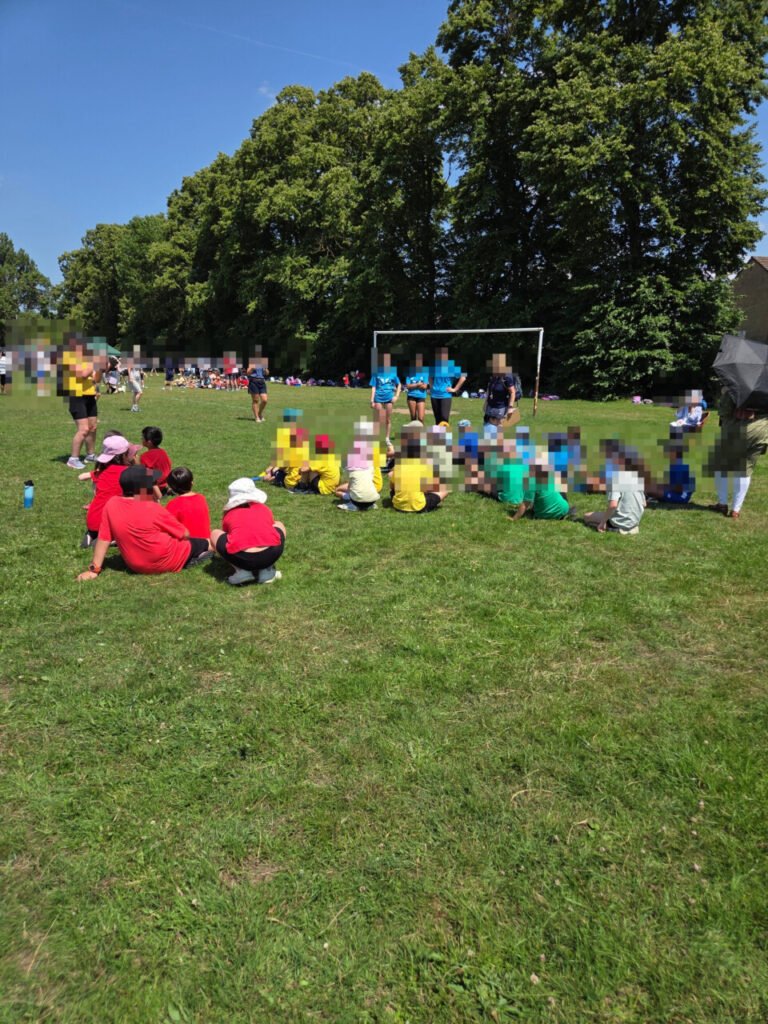
Sports classes in the morning.
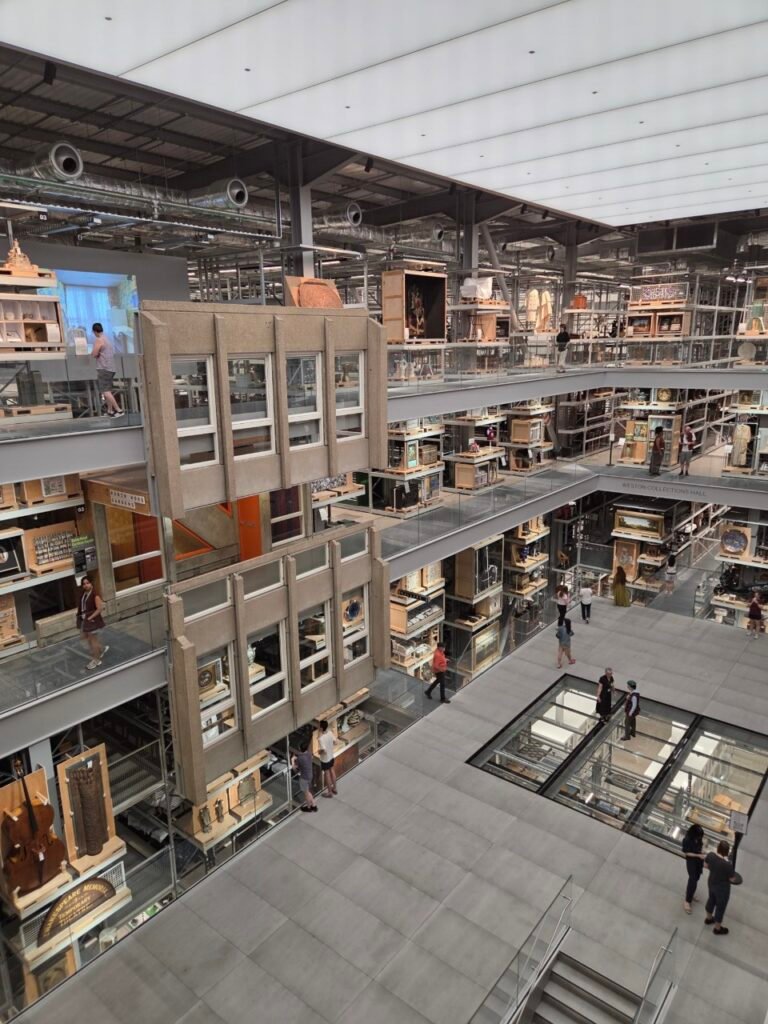
Museum visits and holiday camps during school breaks (one of London’s greatest gifts, honestly, is how many museums children can enjoy for free).
A few playdates.
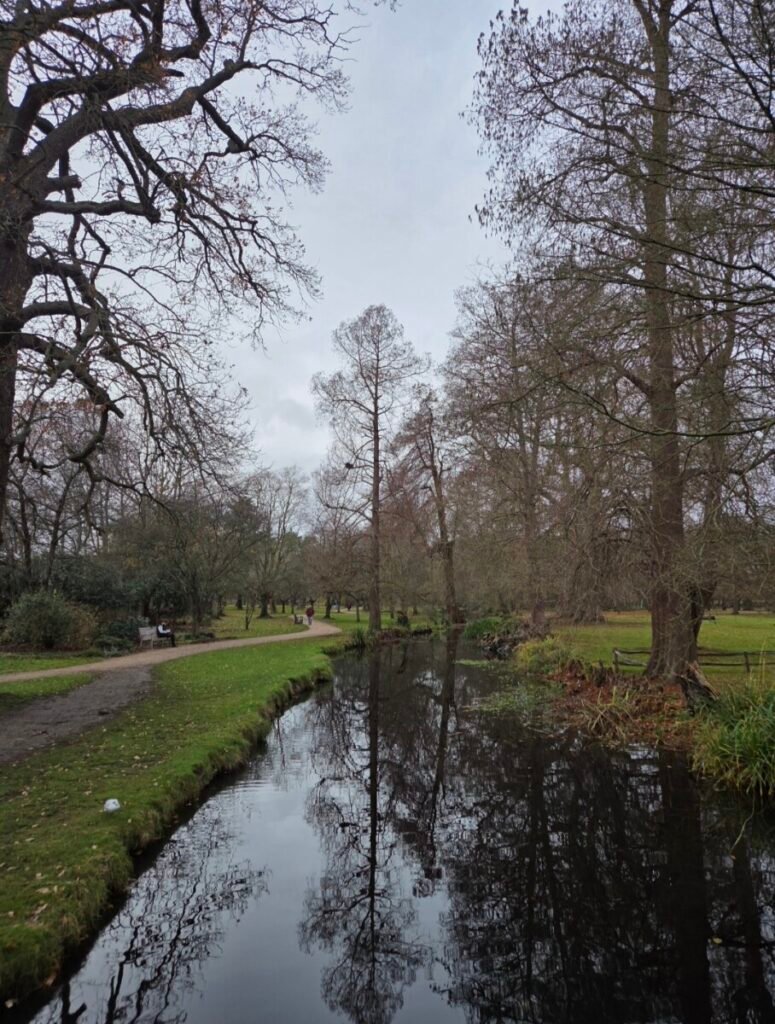
Walks by the river.
Parks. Picnics.
In short: rest.
And strangely, I think we are happier this way.
In the past, weekends often ended with Sunday-night exhaustion.
Now, they feel more like recovery.
Less impressive.
More sustainable.
4. I became a tea person
This one shocks me the most.
I used to be unapologetically a coffee person.
Morning without coffee?
Unthinkable.
Now my mornings look different.
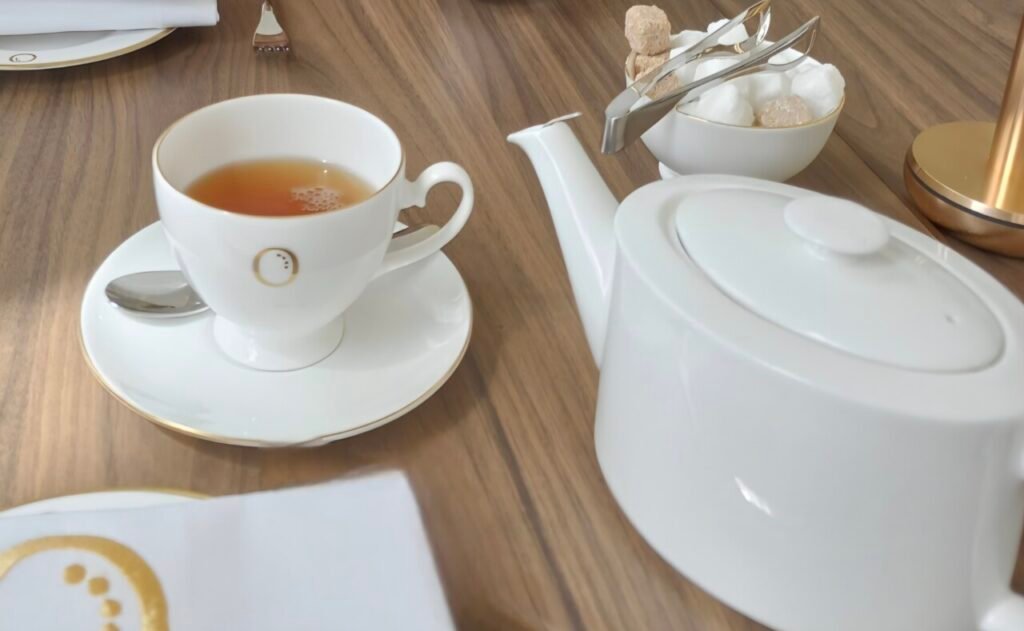
At around 6:30 a.m., I walk into the kitchen, turn on the news, start preparing breakfast for the children, switch on the kettle — and make tea.
Usually English Breakfast or Earl Grey with milk.
Tea has somehow become a household necessity.
Coffee still exists.
But only once a day — before the day properly begins.
After that, tea quietly takes over the day.
And honestly, I get it now.
There is something about long grey winters, cold rain, and early darkness in Britain that makes warm tea feel less like a drink and more like emotional survival.
Sometimes I catch myself holding a mug of tea and think:
Well. This happened.
After all my complaints, perhaps Britain has quietly changed me more than I realized.
Not dramatically.
Just enough.