About a month after we moved to the UK, my younger child fell from the climbing bars in the school playground and broke an arm.
The bars weren’t particularly high, but he must have landed awkwardly.
As a parent, you quickly learn that a phone call from school in the middle of the day is rarely good news. Schools don’t usually ring at 11am just to tell you how wonderfully your child is doing.
When the school office called, I rushed over and found my son sitting there crying and holding his arm. One side looked visibly out of place. I didn’t need a doctor to tell me it was broken.
The school had called an ambulance, but because a broken arm wasn’t considered life-threatening, we were told the wait could be around two hours. So instead, a member of the school staff kindly drove us to the nearest A&E.
At that point, we’d only been living in England for about a month. I wasn’t driving yet and was still figuring out how everything worked, so I was very grateful that we had at least registered with a GP soon after arriving.
That day became my first real introduction to the NHS.
Our First Experience of A&E
Once we arrived at A&E, we waited for a while, but things moved relatively quickly after my child had been assessed.
It was clear that the arm needed surgery.
The operation was scheduled for later that day, and at around 5pm my son went into theatre. We stayed in the hospital overnight and went home the following day.
I was told that if the operation had taken place earlier in the day, we probably would have been discharged the same day.
That was one of my first impressions of the NHS: hospital resources and beds seemed to be managed very carefully. You stayed for as long as you needed to, but probably not much longer.
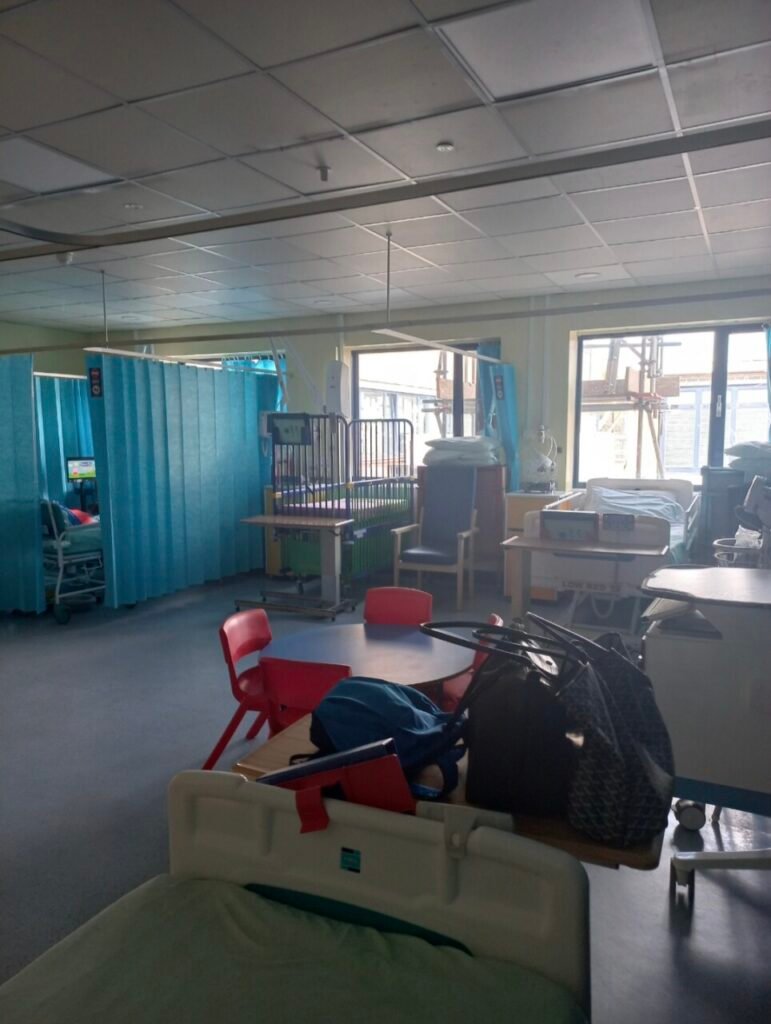
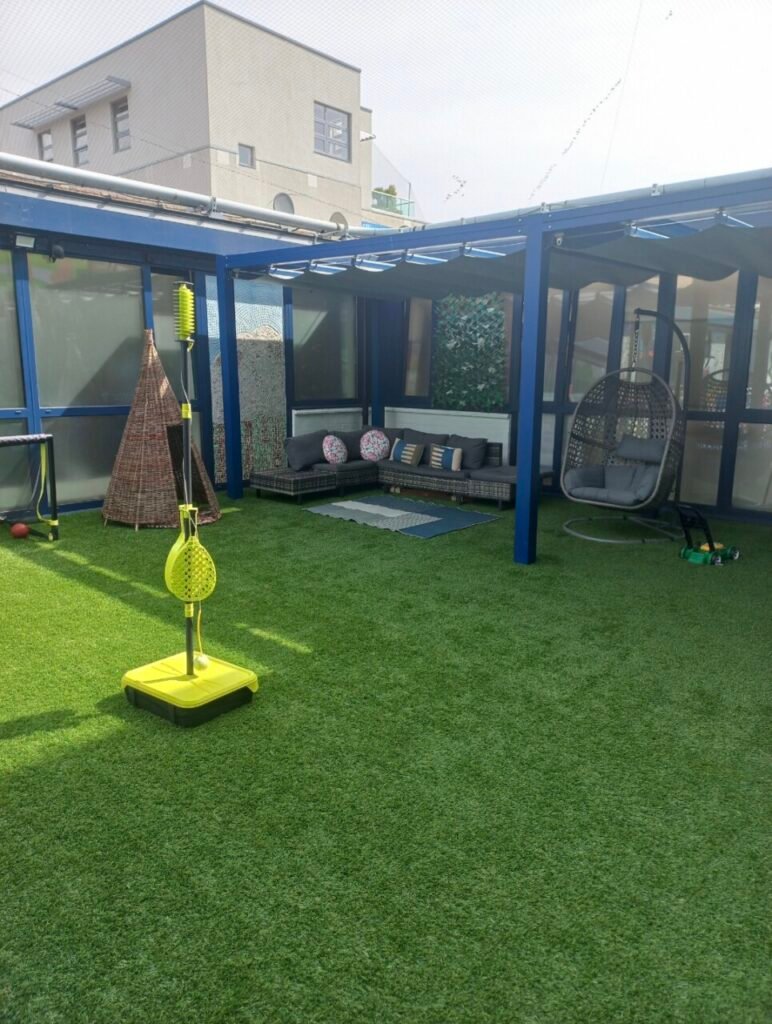
The children’s ward itself was better equipped than I’d expected. There was a fold-out bed for a parent to sleep on, as well as books, toys and things for children to do.
And after surgery, X-rays, medication and an overnight hospital stay, we simply walked out.
There was no bill to settle.
I knew that was how the NHS worked, but it still felt so strange that I actually asked a member of staff whether there was anything I needed to pay before leaving.
There wasn’t.
After living in the UK with two children for several years, I’ve had quite a few more encounters with the NHS since then.
Some have made me enormously grateful for the system.
Others have been frustrating.
This is what I’ve learned.
The Biggest Advantage of the NHS: You Don’t Worry About the Bill
The most obvious advantage of the NHS is that healthcare is generally free at the point of use.
For many people who move to the UK on visas, of course, it isn’t literally free. International students and many other visa holders pay the Immigration Health Surcharge as part of the visa process.
But once you’re living here and eligible to use NHS services, you generally don’t pay every time you see a doctor, have a blood test, get an X-ray or stay in hospital.
Before my thirties, I rarely needed to see a doctor.
During my PhD, perhaps partly because life became considerably more stressful, I seemed to develop one problem after another. My children also needed medical care several times over those years.
That made me appreciate the NHS much more than I might have otherwise.
Back in Korea, I usually took my children to one of the major hospitals in Seoul whenever they needed medical care. The facilities were excellent, and access to tests and specialists could be remarkably quick, but there were usually bills to pay along the way. The cost of tests could quickly add up, particularly at a large hospital.
In Britain, my children have had blood tests, urine tests, X-rays and hospital appointments, and we’ve simply walked out afterwards without having to stop at a payment desk.
There is something reassuring about knowing that when your child is ill, the first question in your mind doesn’t have to be, “How much is this going to cost?”
For families in particular, I think that’s one of the NHS’s greatest strengths.
But there is a trade-off.
The GP System Takes Some Getting Used To
One of the biggest adjustments for me was learning how the GP system works.
In Korea, if you have a skin problem, you can go directly to a dermatologist. If your ear hurts, you can visit an ENT clinic. If your knee hurts, you can find an orthopaedic clinic.
In the UK, your GP is usually the first point of contact.
And getting that first appointment hasn’t always been easy.
When we first arrived, our surgery still relied heavily on the famous 8am phone call.
If you were ill and wanted an appointment that day, you called at exactly 8am and waited in the telephone queue along with everyone else. It sometimes felt less like booking a doctor’s appointment and more like trying to buy concert tickets.
Thankfully, our GP surgery now uses an online system for many requests, which I find much easier.
I fill in a form explaining the symptoms and usually receive a response quite quickly. The surgery then decides what should happen next and, if necessary, gives us an appointment.
The downside is that I rarely get much choice about the time. Rather than choosing an appointment that suits my schedule, I’m generally given one and rearrange my day around it.
When one of my children is genuinely unwell, our GP has usually managed to arrange a same-day appointment. For less urgent problems, however, the wait can be much longer.
This is probably one of the biggest cultural adjustments for people arriving from countries where seeing a doctor or specialist is relatively easy.
NHS Doctors Often Spend More Time Talking to You
There is another side to the waiting.
Once I actually get into the consulting room, I’ve generally found NHS doctors willing to spend time asking questions and examining the problem.
In Korea, access to doctors can be incredibly convenient, but consultations can also be very quick. For common illnesses, you may be in and out within a few minutes.
My experience with GPs in England has often been different.
Appointments feel less rushed. The doctor asks questions, examines the problem and explains what they think is happening.
Of course, that doesn’t necessarily mean you leave with a prescription.
Quite often the advice is essentially: rest, drink plenty of fluids, take paracetamol if necessary and see how things develop.
Coming from Seoul, that took some getting used to.
But over time, I’ve also come to appreciate the more conservative approach to medication. Antibiotics, in particular, aren’t handed out automatically for every cough, cold or sore throat.
GP surgeries can arrange some basic tests, such as blood and urine tests, but if you need more specialised investigations or treatment, you’ll usually be referred to hospital services.
And that brings us to perhaps the biggest frustration with the NHS.
The Waiting Can Be Difficult
If your condition isn’t considered urgent, things can move slowly.
Very slowly.
A referral to a specialist can take time. Tests can take time. If you eventually need a procedure or treatment, there may be another wait.
This can be particularly difficult when you’re used to a healthcare system where you can simply decide that something is wrong and book an appointment directly with the relevant specialist.
As a parent, waiting can feel even harder.
When something is wrong with your child, knowing that it probably isn’t serious doesn’t necessarily stop you worrying. Sometimes you don’t want to monitor the symptoms for another week. You just want someone to investigate the problem properly today.
The NHS doesn’t always work at that speed.
A&E Is Different — But Urgency Still Matters
For genuine emergencies, there is A&E.
But A&E doesn’t necessarily mean immediate treatment.
Patients are prioritised according to clinical need, so someone who is seriously ill or injured will be treated differently from someone whose condition is painful but stable.
We experienced that directly when my child broke an arm.
An ambulance wasn’t going to arrive immediately because, although the injury clearly needed medical treatment, it wasn’t life-threatening.
Once we reached the hospital and the doctors decided surgery was necessary, however, everything moved much more quickly.
That experience helped me understand something fundamental about the NHS.
The question isn’t simply, “Are you ill?”
It’s closer to, “How urgently do you need medical help?”
And your experience of the system can be completely different depending on the answer.
So, Is the NHS Good or Bad?
After several years of using the NHS with two children, I don’t think it’s quite that simple.
There are things I genuinely value about it.
I like knowing that if one of my children needs an X-ray, surgery or hospital treatment, I don’t have to think about whether I can afford it. I appreciate that doctors generally don’t seem eager to prescribe unnecessary medication or order tests simply because they can.
At the same time, I still find the waiting frustrating.
If you’re accustomed to the Korean healthcare system, where it’s relatively easy to see a doctor or specialist, the British system can initially feel surprisingly slow and restrictive.
The two systems seem to prioritise different things.
In Britain, I’ve gradually learned not to expect every medical problem to be investigated and resolved immediately. The NHS tends to work more cautiously: assess the urgency, start with primary care, investigate when necessary and prioritise limited resources according to clinical need.
When I first arrived, I found that difficult.
Now I understand the system much better, even if there are still moments when I wish everything would move a little faster.
Living in Britain with two children has given me plenty of opportunities to see both sides of the NHS.
There are days when it can be incredibly frustrating.
And there are days — like the day my son had surgery for a broken arm, stayed overnight in hospital and came home without me having to think about a bill — when I’m extremely grateful that it’s there.